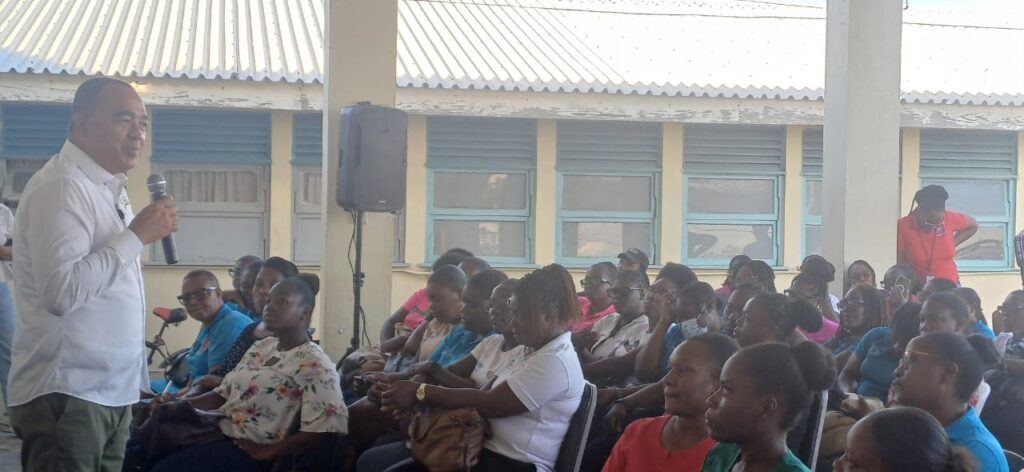
FALMOUTH, Jamaica — Jamaica’s Health and Wellness Minister Dr. Christopher Tufton has issued an urgent warning about the overlooked psychological trauma affecting children and senior citizens in the wake of Hurricane Melissa. During his Thursday visit to Falmouth Public General Hospital, the minister addressed healthcare professionals, emphasizing that these vulnerable demographics require immediate mental health support despite showing less visible signs of distress.
Dr. Tufton expressed particular concern about children’s developing minds, noting their tendency to internalize trauma when lacking proper emotional guidance. “Children possess remarkably fertile minds that can easily stray without appropriate support,” he stated. “Many remain confused about the catastrophic events they witnessed, including seeing parents struggling to recover from the disaster.”
The minister highlighted how pediatric trauma often manifests differently than in adults, with children frequently unable to articulate their emotional pain. He urged trained medical professionals to actively employ their expertise in helping young survivors process their experiences through therapeutic communication and emotional validation.
Pointing to innovative psychosocial interventions, Tufton referenced the Humming Bird Foundation’s ongoing initiative distributing 10,000 toys and shoes to affected children. He characterized these efforts as dual-purpose—replacing lost belongings while serving as therapeutic tools to restore normalcy and joy.
“Beyond material replacement, these gestures represent crucial emotional therapy,” Tufton explained. “We must help our children rediscover happiness this holiday season through simple human connections—a heartfelt conversation, a reassuring hug, or genuine smile.”
The minister equally emphasized the plight of elderly residents, particularly those living alone with chronic medical conditions and limited financial resources. He warned that without proactive emotional support, many seniors could “slide into irreversible despair” due to compounded physical vulnerabilities and psychological isolation.
While acknowledging the importance of clinical medical responses, Tufton stressed that therapeutic human presence remains equally vital. He called for balanced recovery approaches combining professional healthcare services with compassionate community engagement, ensuring no vulnerable population gets overlooked during Jamaica’s ongoing reconstruction efforts.