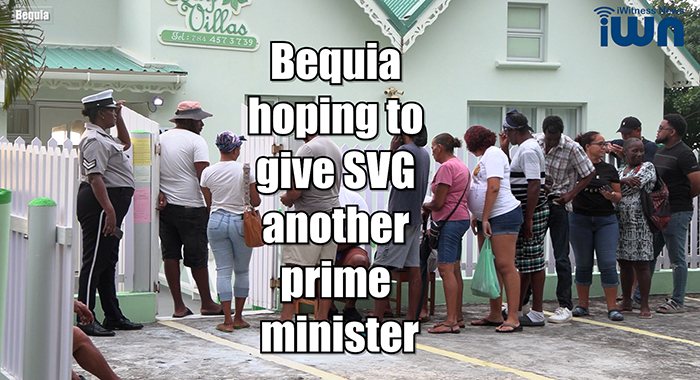
As citizens of St. Vincent and the Grenadines participated in national elections this Thursday, the small island community of Bequia in the Northern Grenadines found itself at the center of a potential historic political achievement. Local residents expressed collective hope that their constituency could become the nation’s first to produce two individuals who have held the office of Prime Minister.
The electoral process unfolded across the multi-island nation, with voters casting ballots to determine the composition of their next government. This democratic exercise carries particular significance for Bequia, which takes pride in its political heritage. The island previously produced Sir James Mitchell, who served as Prime Minister from 1984 to 2000, establishing a remarkable legacy of leadership.
Political analysts note that while smaller island communities in archipelagic nations often have limited representation in national governance, Bequia has consistently demonstrated outsized political influence within the Vincentian context. The possibility of producing a second prime minister represents not just local pride but a significant moment in the nation’s political narrative, potentially shifting perceptions about political power distribution across the archipelago.
The election occurs amid broader regional discussions about governance models in small island developing states, where personal connections and community representation often play crucial roles in political dynamics. Bequia’s unique position highlights how specific geographic communities can maintain sustained political influence within Caribbean democracies, challenging conventional assumptions about political geography in multi-island nations.