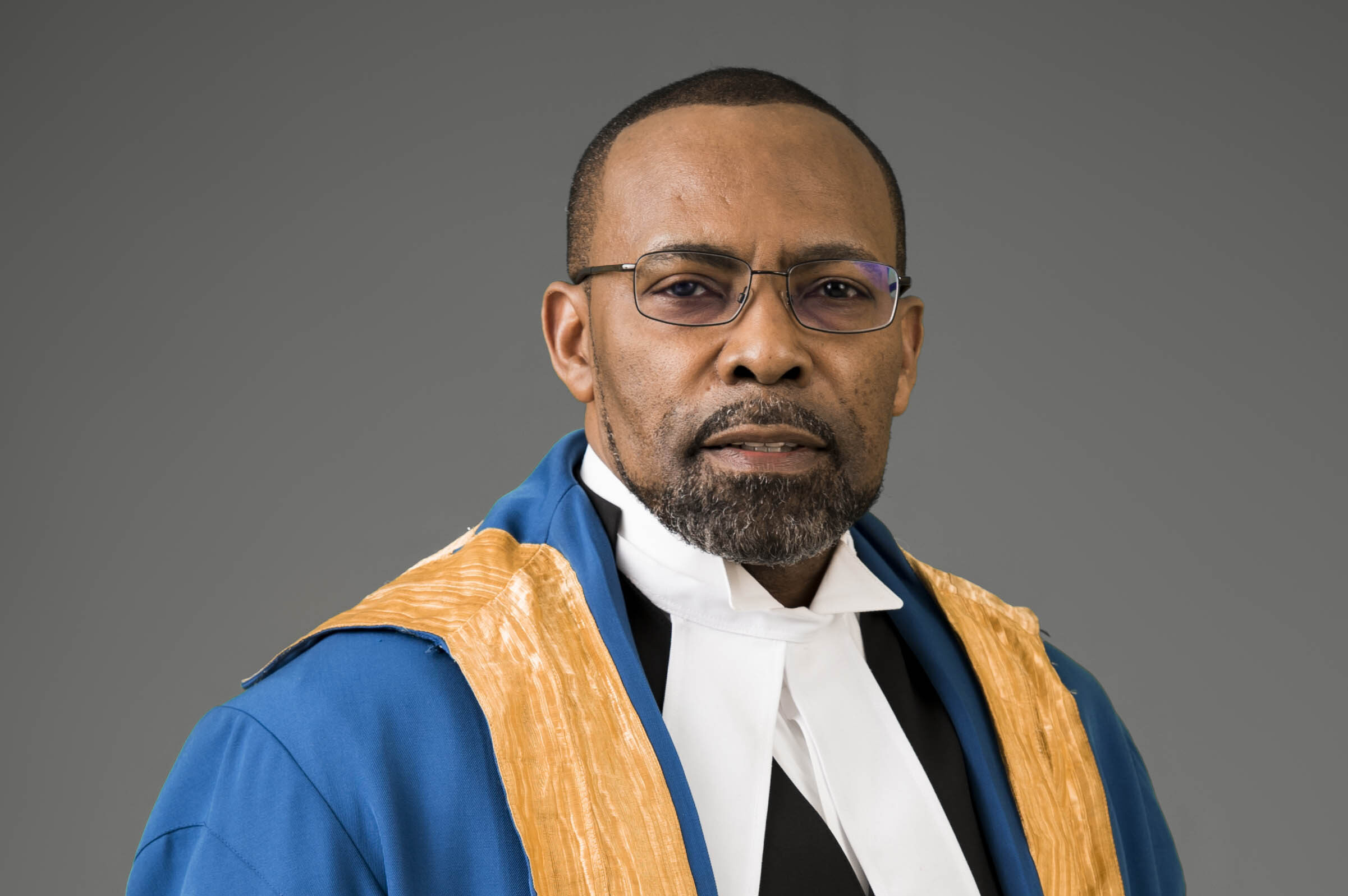
The Caribbean Court of Justice (CCJ) has successfully fulfilled its two-decade mandate of developing an autonomous Caribbean legal framework and enhancing regional access to justice, President Justice Winston Anderson declared at the CCJ Academy of Law’s eighth biennial conference in Port of Spain. The November 26 event, part of the court’s 20th anniversary celebrations, highlighted the CCJ’s transformative impact since its April 2005 inauguration as a landmark achievement in judicial independence.
Justice Anderson revealed the court has delivered 312 appellate decisions spanning constitutional, criminal, civil, land, family, and contract law, fundamentally reshaping long-standing legal doctrines and establishing minimum regional standards in criminal justice. These judgments have been cited over 450 times by courts across common-law Caribbean jurisdictions, including nations that haven’t formally adopted the CCJ as their final appellate authority.
In its original jurisdiction, the CCJ has proven indispensable to the Caricom Single Market and Economy, serving as exclusive arbiter for disputes under the Revised Treaty of Chaguaramas. ‘The CCJ is not a court imposed on us by anyone,’ Anderson emphasized. ‘It is a reality of our own making, our collective imagination and resources. It is interwoven into the fabric of Caribbean life.’
The conference also honored the legacy of late Justice Jacob ‘Bob’ Wit, the court’s inaugural civil-law jurist from Curaçao who served until his December 2023 retirement. Anderson credited Wit with challenging and enriching the court’s common-law traditions through his unique perspective and wry humor, while also playing a central role in establishing the CCJ Academy of Law in 2010.
Justice Chantal Ononaiwu, CCJ judge and academy deputy chair, outlined the conference’s critical examination of Caribbean jurisprudence development, emphasizing cross-cutting themes including technology’s impact on legal evolution and the interaction between domestic and international law.
Caricom General Counsel Lisa Shoman, SC, hailed the anniversary as both ‘a milestone and a seminal achievement,’ noting that young Caribbean lawyers now navigate a significantly more complex legal landscape than previous generations. Inter-American Development Bank representative Anton Edmunds reaffirmed institutional support for regional justice systems, highlighting the bank’s One Safe Caribbean initiative focused on combating organized crime and strengthening justice-sector capacity through digital innovation and public education.