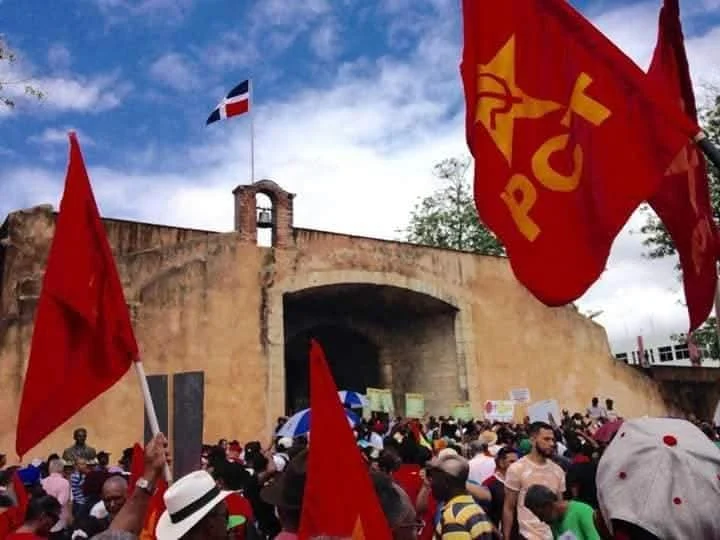
SANTO DOMINGO – The Communist Party of Labor (PCT) has launched vehement opposition to the Dominican government’s recent authorization granting United States Armed Forces operational access to secured zones within San Isidro Air Base and Las Américas International Airport (AILA) for counter-narcotics missions. The controversial decision, officially ratified on Wednesday, has sparked significant political backlash from the left-wing organization, which characterizes the move as both an infringement on national sovereignty and a catalyst for potential regional destabilization.
The PCT’s formal declaration emphasized that permitting foreign military entities to utilize critical national infrastructure represents a fundamental breach of Dominican self-determination. The party maintains that ultimate authority over security matters and territorial control must reside exclusively with Dominican institutions rather than external powers. Beyond sovereignty concerns, the political group highlighted apprehensions about broader geopolitical implications, suggesting that US military presence in the Caribbean could extend beyond stated drug interdiction objectives and potentially embroil the nation in indirect conflicts with neighboring states, particularly amid existing tensions involving Cuba and Venezuela.
In response to these developments, the communist faction has demanded immediate revocation of the military access agreement. Instead, they advocate for establishing cooperative frameworks grounded in principles of mutual respect, non-interventionism, and adherence to international legal standards. The party contends that effective anti-drug trafficking operations should be conducted through enhanced bilateral or multilateral partnerships that strengthen domestic law enforcement capabilities while preserving national autonomy. This stance reflects growing ideological divisions within the Dominican Republic regarding appropriate forms of international security cooperation and the preservation of national interests.