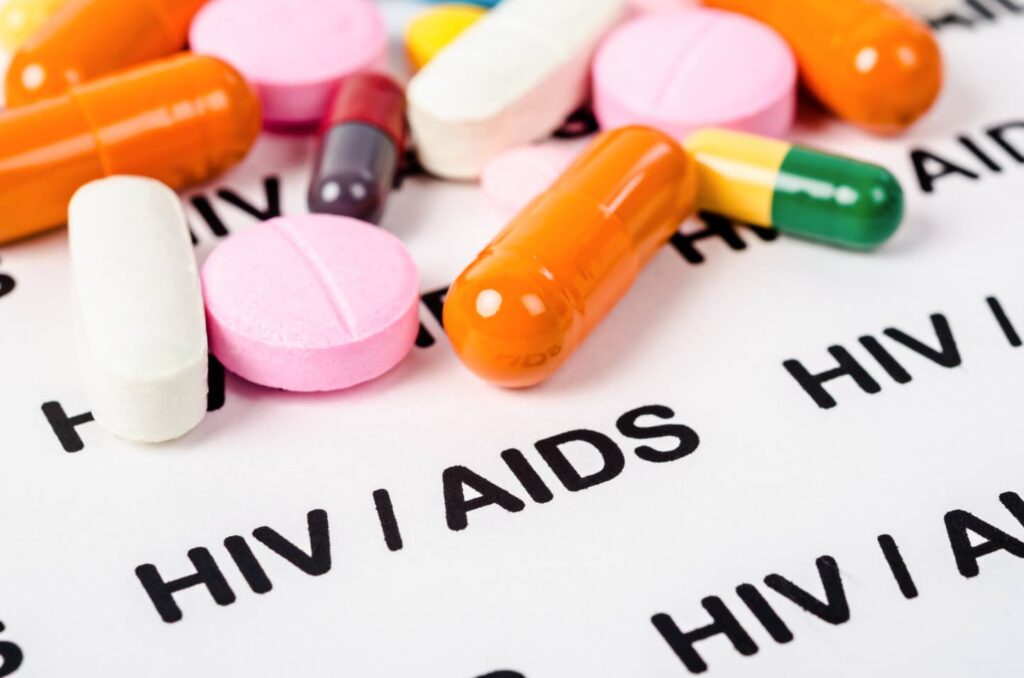
GENEVA, Switzerland (AFP)—The global fight against HIV has been plunged into chaos following significant international funding cuts, the United Nations warned on Tuesday. The UNAIDS agency revealed that abrupt reductions in financial support, particularly from the United States, have destabilized the infrastructure for HIV treatment and prevention in numerous countries. This disruption has led to clinic closures, job losses for healthcare workers, and widespread interruptions in essential services such as testing, treatment, and prevention. UNAIDS Executive Director Winnie Byanyima described the situation as the ‘most significant setback in decades.’ She highlighted the ‘abrupt pause’ in funding by the U.S., historically the largest contributor to global HIV efforts, following President Donald Trump’s return to the White House earlier this year. Other major donors have also slashed their foreign aid budgets, exacerbating the crisis. The UNAIDS report disclosed that in 2024, approximately 1.3 million people contracted HIV, a 40% decrease from 2010 but still three times higher than the target needed to end AIDS as a public health threat by 2030. Last year, 630,000 people died from AIDS-related illnesses, marking a 54% decline since 2010. However, Byanyima cautioned that the funding shortfall has exposed the fragility of past progress. Even before the crisis, the global AIDS response was underfunded, with $18.7 billion available in 2024—17% below the required amount. Last year, 9.2 million of the 40 million people living with HIV worldwide were not receiving treatment. In 13 countries, the number of people starting treatment has declined compared to the previous year. Byanyima expressed particular concern about the collapse of HIV prevention services, warning that failure to address this could lead to 3.3 million additional new infections by 2030. The funding crisis coincides with a deteriorating global human rights environment, with marginalized populations facing severe consequences. Criminalization of same-sex relations, transgender expression, and sex work in more countries could reduce HIV testing rates. Byanyima emphasized the urgency of the situation, stating, ‘This is the moment to choose. We can allow these shocks to undo decades of hard-won gains, or we can unite behind the shared vision of ending AIDS. Millions of lives depend on the choices we make now.’