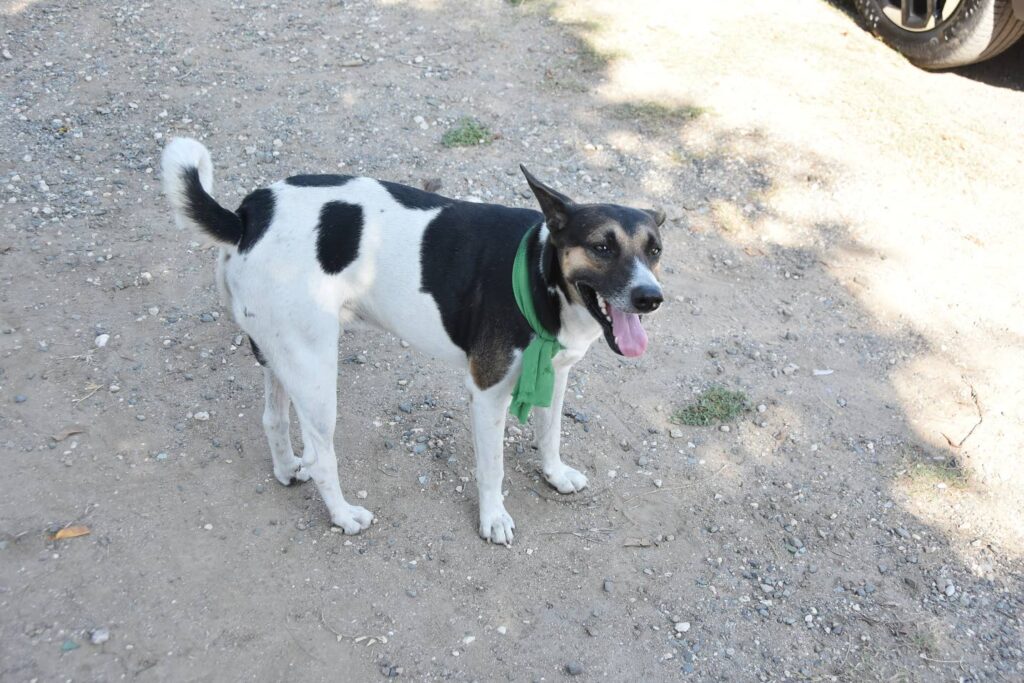
A groundbreaking study published by US scientists on Monday has revealed that nearly two-thirds of all dog breeds carry detectable traces of wolf DNA. Contrary to previous assumptions, this genetic influence is not a remnant from the initial domestication of dogs from wolves approximately 20,000 years ago. Instead, it indicates that interbreeding between domesticated dogs and wild wolves has occurred within the last few millennia. The research, led by Audrey Lin of the American Museum of Natural History, analyzed thousands of dog and wolf genomes from publicly available databases. The findings showed that 64% of modern dog breeds, including small breeds like chihuahuas, possess wolf ancestry. Notably, Czechoslovakian and Saarloos wolfdogs exhibited the highest levels of wolf DNA, up to 40%, while sight hounds such as Salukis and Afghans also ranked high. Interestingly, the study found that 100% of village dogs—those living in human settlements without being pets—have wolf ancestry. Logan Kistler, a curator at the Smithsonian Museum of Natural History and co-author of the study, suggested that village dogs, which have more opportunities to interact with wolves, may be a key conduit for wolf DNA entering the dog gene pool. The research also highlighted that wolf DNA has influenced traits such as size, olfactory capabilities, and even personality in modern dog breeds. However, the presence of wolf DNA does not imply direct interbreeding in domestic settings. The study challenges prior scientific beliefs that dogs must have minimal wolf DNA to be considered distinct from their wild ancestors.