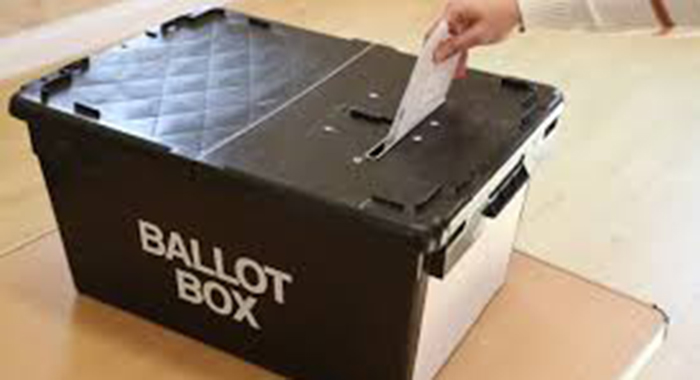
In St. Vincent and the Grenadines (SVG), many aspects of our daily lives are often taken for granted. Born into a system of established privileges, we seldom recognize the sacrifices that made these freedoms possible. This complacency poses a significant threat, as people rarely value or defend what they perceive as ‘free.’ Voting, a cornerstone of democracy, is one such privilege that demands our attention and responsibility. While it may seem freely accessible today, its foundation was built on the struggles of past generations who endured hardships to secure a better future for their descendants. As we approach the 2025 elections, it is crucial to reflect on the legacy we are leaving for future Vincentians. Democracy thrives on participation, and abstaining from voting effectively hands power to the incumbent government by default. The consequences of not voting are profound, impacting everything from economic policies to public health decisions. The COVID-19 pandemic underscored the gravity of governmental decisions, as frontline workers were mandated to take vaccines—a decision made by elected officials. This highlights the symbiotic relationship between voters and their representatives: by casting a vote, citizens grant authority to leaders whose decisions can shape—or even endanger—their lives. Voting is not merely a right but a shared responsibility to ensure that elected officials prioritize the prosperity and well-being of all citizens. Vincentians must move beyond blind party loyalty and critically evaluate whether their leaders are truly working for the people or merely preserving their own interests. The recent electoral trends in neighboring Caribbean nations, such as Barbados, Grenada, and St. Lucia, demonstrate the power of an informed electorate to hold leaders accountable. As SVG heads to the polls, the question remains: Who can be trusted to make decisions in the best interest of the people? The answer lies in active participation and a commitment to safeguarding democracy for generations to come.