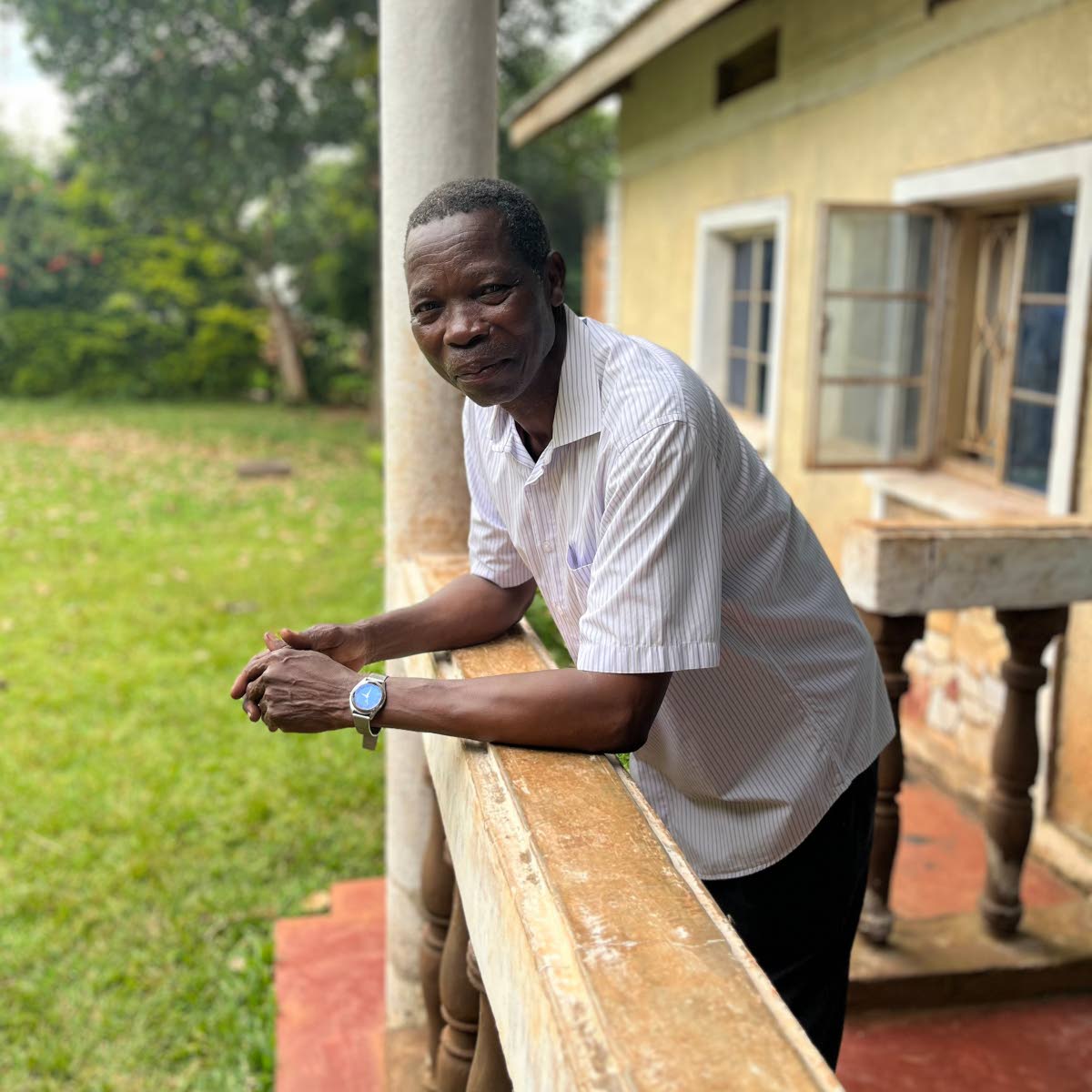
In the heart of eastern Uganda, Moses Kutoi, a respected clan leader of the Bagisu people, finds himself at the center of a cultural and familial storm. As paternity disputes surge across the country, Kutoi mediates sensitive family conflicts, often involving men questioning the resemblance of their children. For Kutoi, this issue is deeply taboo, rooted in ancestral wisdom, yet he feels compelled to intervene to prevent marriages from collapsing into violence. “Even I don’t resemble my father,” he recently told a skeptical man seeking his help. The rise of DNA testing, fueled by reports of well-known Ugandans discovering they are not the biological fathers of their children, has intensified these disputes. The Ministry of Internal Affairs reports a dramatic increase in voluntary DNA tests, with over 98% of results revealing non-paternity. Despite appeals from religious leaders like Anglican Archbishop Stephen Kaziimba, who urged tolerance and faith, the demand for DNA testing continues to grow. In Nabumali, where Kutoi serves as mayor, the high cost of testing—over $200—makes it inaccessible for many families. Kutoi, drawing on his own experience, emphasizes the importance of unity and tradition, reminding disputing couples that children are a blessing regardless of biological ties. As paternity disputes increasingly intertwine with property and divorce proceedings, faith leaders like Rev. Robert Wantsala and Pastor Andrew Mutengu are stepping in to counsel families and mediate conflicts. Yet, as DNA testing becomes more prevalent, the challenge remains to balance modern science with traditional values in a rapidly changing society.