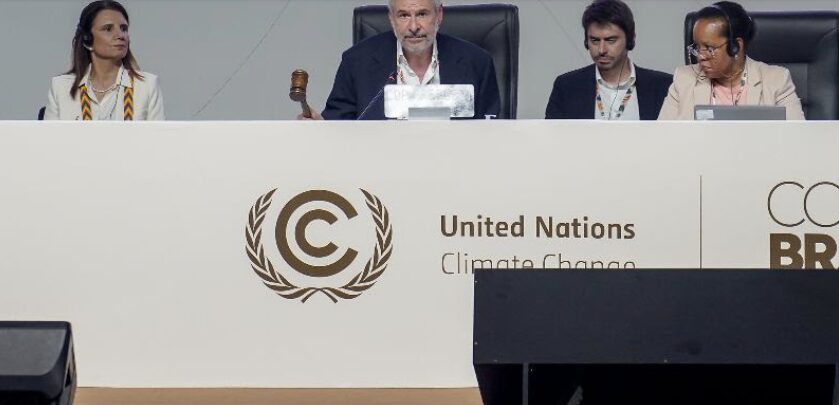
The 30th Conference of the Parties (COP30) in Belém, Brazil, concluded with significant shortcomings, according to the Global Climate and Health Alliance. Despite high expectations, the summit failed to deliver the transformative climate action necessary to safeguard global health. Key issues included the lack of a formal agreement on phasing out fossil fuels and delays in implementing adaptation measures. Dr. Jeni Miller, Executive Director of the Alliance, expressed disappointment, stating that while some progress was made, COP30 did not mark the turning point it had promised. The Alliance, representing over 200 health and civil society organizations worldwide, emphasized that the delay in adaptation finance until 2035, instead of the requested 2030 deadline, could result in increased suffering and mortality, particularly in developing nations. These countries, already grappling with poverty, fragile health systems, and debt, are at heightened risk from escalating climate impacts. Even high-income countries are seeing their healthcare systems stretched to the limit. Brazil’s COP30 President, André Corrêa do Lago, announced plans for two roadmaps: one to halt deforestation and another to guide a just transition away from fossil fuels. However, the absence of a formal fossil fuel phaseout agreement remains a critical gap. Dr. Miller warned that without decisive action, the world risks reaching dangerous and irreversible tipping points in critical earth systems. The final text of the just transition work programme recognized the human right to health and a clean environment and established a mechanism for international cooperation and capacity-building. While these provisions were welcomed, Dr. Miller stressed the need for adequate resourcing to ensure their implementation. She called on wealthy nations to lead by example, noting that 80 countries supported a fossil fuel phaseout plan. She emphasized that leadership does not require consensus and that phasing out fossil fuels would benefit public health and reduce the financial burden on healthcare systems. Dr. Miller also reminded developed countries of their Paris Agreement commitments, calling climate finance for vulnerable nations an investment in global stability, goodwill, and cooperation. The Alliance applauded the launch of the Belém Health Action Plan but warned that without concrete implementation and sufficient climate finance, it risks remaining symbolic. Nurses and health advocates pledged to continue pressing global leaders to deliver the protections communities and future generations urgently need.
COP30 ends with incremental gains, but health risks loom without stronger action