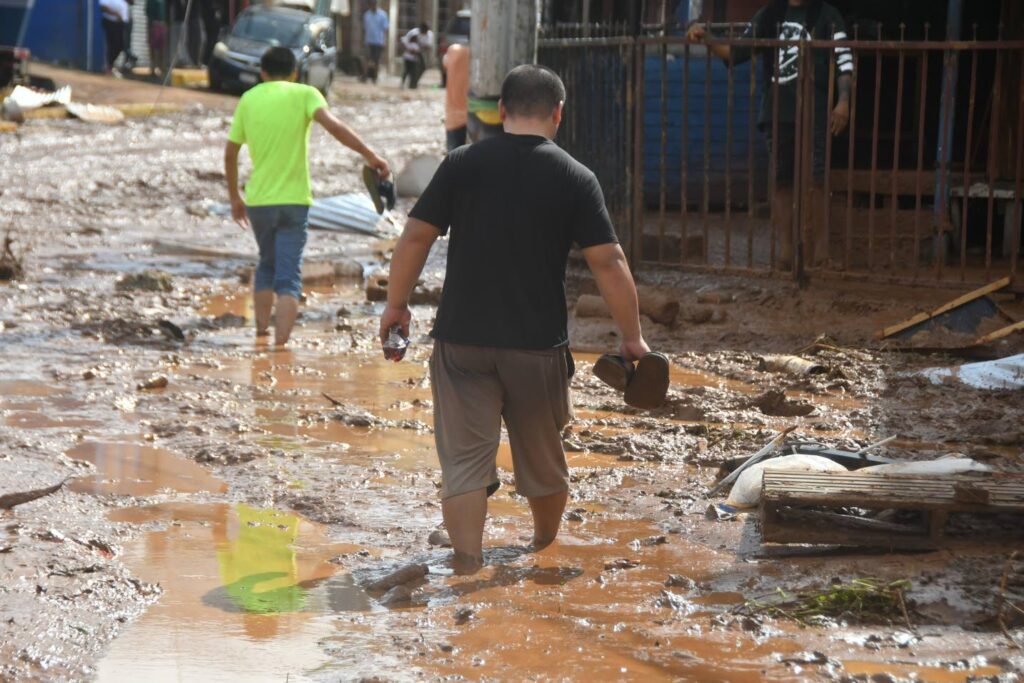
Jamaica is grappling with a leptospirosis outbreak following the devastation caused by Hurricane Melissa last month. Health Minister Dr. Christopher Tufton confirmed the outbreak on Friday, attributing it to the flooding and unsanitary conditions left by the Category 5 hurricane, which struck the island on October 28. The bacterial disease, transmitted through contaminated water, soil, or food, has already claimed six lives, with 87 suspected, probable, and confirmed cases reported since 2024. Of these, 37 cases emerged post-Melissa, with 10 confirmed and six deaths linked to the hurricane. St. James Parish, particularly Montego Bay, has been the hardest hit, recording 17 cases and four deaths. Other affected areas include St. Ann, St. Elizabeth, Hanover, and Westmoreland. National epidemiologist Dr. Karen Webster Kerr emphasized that leptospirosis, caused by the Leptospira bacteria, thrives in floodwaters contaminated by animal urine, particularly from rats, livestock, and pets. The disease, which mimics symptoms of influenza, meningitis, and dengue, is treatable but can lead to severe complications affecting the liver, kidneys, lungs, and brain. Chief Medical Officer Dr. Jacquiline Bisasor-McKenzie urged the public to take preventive measures, including wearing protective gear during cleanup activities and seeking medical attention for severe symptoms like jaundice, dark urine, or respiratory distress. Health officials are also encouraging blood donations to support critically ill patients. While the outbreak poses a significant public health risk, authorities are calling for calm and proactive measures to curb its spread.