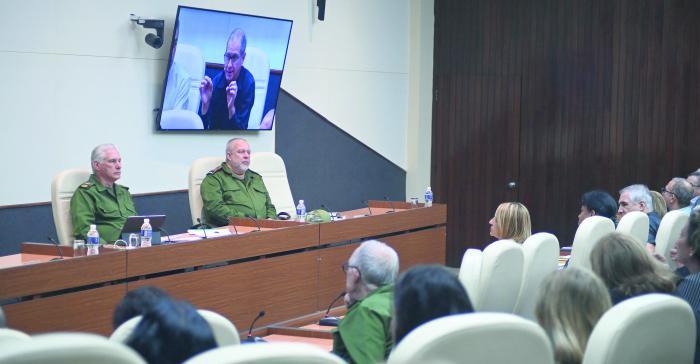
In response to the escalating arbovirus epidemic in Cuba, marked by the simultaneous circulation of chikungunya and dengue viruses, President Miguel Díaz-Canel Bermúdez convened a critical meeting with health experts, scientists, and researchers. The session focused on strategies to reduce mosquito infestation rates, enhance treatment protocols, and mitigate the impact of these diseases on the population. Lorena Vázquez Bello, first deputy director of the Pedro Kourí Institute of Tropical Medicine (IPK), emphasized the importance of understanding chikungunya’s clinical manifestations, which differ significantly from other diseases. She highlighted symptoms such as abrupt high fever, severe arthralgia, and arthritis, which often require hospitalization. Preliminary studies of 32 patients at IPK revealed complications including dehydration, acute confusion in the elderly, and neurological issues. To address these challenges, the Ministry of Public Health (Minsap) has approved 26 studies aimed at developing new products and refining treatment protocols. Ileana Morales Suárez, Minsap’s director of Science and Technological Innovation, noted that ongoing research focuses on chronic joint discomfort post-infection, with targeted health interventions planned for vulnerable groups, particularly the elderly. Additionally, efforts are underway to develop diagnostic tests and repurpose existing products like Jusvinza for chikungunya treatment. The meeting also addressed logistical measures, including the repair of fumigation equipment and the production of repellents. These comprehensive actions underscore Cuba’s commitment to leveraging science, medical care, and industry to counteract the current epidemiological crisis and strengthen arbovirus prevention and treatment.