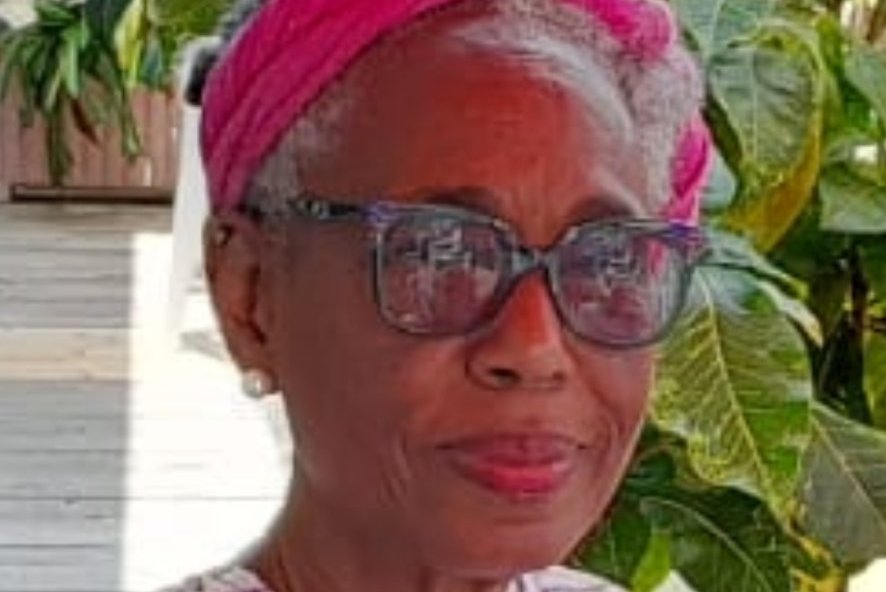
A key member of a community-led oral translation project rendering the New Testament into the distinct Vincentian Creole dialect is calling on fellow St. Vincent and the Grenadines citizens to shed long-standing colonial-era “trauma victim” mindsets, embrace their native linguistic heritage and authentic accents, and abandon the pressure to mimic foreign speech patterns. Frances Clarke made these remarks during a November 17 exclusive interview with local outlet iWitness News, as she discussed the Wycliffe Vincy Telling Everyone About Mission initiative: a grassroots effort by a seven-member all-local team to produce a full accessible oral translation of the New Testament tailored to the island’s widely spoken vernacular. Clarke’s comments directly address persistent public skepticism that first emerged during a prior collaborative project between the Association of Evangelical Churches of St. Vincent and the Summer Institute of Linguistics (SIL), which created a curated collection of Bible stories in Vincentian dialect spanning from the Creation narrative through key New Testament events. A segment of local residents had pushed back against that earlier effort, arguing that translating sacred scripture into the local creole amounted to disrespecting or downgrading the text. Clarke pushed back firmly against that critique, framing it as a lingering holdover of colonial indoctrination. “From my perspective, anyone who holds that view is trapped in a colonialist mindset—there is nothing inherently broken about our language. Language is simply a mutually agreed system of communication that a community builds for itself,” she explained. She emphasized that no single language holds inherent hierarchical value over another, noting that creole languages have emerged across every inhabited continent as organic, ingenious solutions for cross-community communication. Creoles, she noted, arise naturally when groups of people with mutually unintelligible native languages need to develop a shared “trade language” to facilitate the exchange of goods, services, and connection. Clarke highlighted that the formation of Vincentian Creole itself was an act of remarkable collective intelligence, forged amid the brutal transatlantic slave trade when Indigenous Carib, Arawak, and Garifuna communities, alongside enslaved peoples from dozens of distinct West African linguistic groups including Hausa and Yoruba, and colonists from Scotland, Ireland, and England, needed a shared communication code. She noted that slave owners deliberately separated enslaved people from others who spoke their same native language, prioritizing only physical strength in the people they trafficked across the Atlantic. “The only thing that mattered to them was physical stamina: the people who survived capture, the forced march to the coast, and the horrific crossing in the holds of transatlantic slave ships were by definition the strongest and most intelligent among their communities,” Clarke said. She pointed to parallel English-lexified creole languages across the African diaspora, such as Aku spoken in The Gambia, which also uses Latin script rather than distinct character systems like Chinese or Hebrew, noting that she can understand nearly all West African creole speech due to their shared linguistic roots. Clarke also highlighted uniquely Vincentian lexical treasures, such as the locally specific term “drogue” (alternatively spelled drog or drogg), which describes the specific, strenuous action of hauling heavy loads of construction materials, sand, or lumber up the island’s notoriously steep hills—a word she has never encountered in any other creole or language during her extensive travels. “That word does not exist anywhere else, and it perfectly describes a very specific, universal experience we have living here,” she added. Clarke tied linguistic pride directly to collective self-worth, referencing the Christian teaching to “love your neighbor as yourself” to argue that genuine care for one’s community is impossible without first embracing full self-acceptance. “You have to appreciate, respect, and love every part of who you are, to become the best possible version of yourself, rather than telling yourself there is something flawed or inferior about your identity,” she stated. She warned that internalizing the false belief that one’s native language or accent is inferior traps people in a disempowering victim mindset, leading many to go to extreme lengths to alter their natural speech to mimic foreign accents—often switching their tone entirely by the time they travel from their home communities to the island’s international airport, simply to impress visiting outsiders. “The painful irony here is that many of the people we are desperate to sound like do not even respect us, do not respect Black people at all. For centuries they only saw us as disposable workhorses and burden bearers. So why would we exhaust ourselves trying to copy their mannerisms and speech?” Clarke asked. She also pushed back against the false assumption that tourists visit St. Vincent to encounter a watered-down, inauthentic version of foreign cultures, noting that visitors travel to the island specifically to engage with its unique, vibrant local identity. “They come here to experience the best, most authentic version of us, not a cheap imitation of somewhere else. We need to nurture and celebrate everything that makes us special,” she concluded.
Bible translator challenges ‘colonialist mentality’ toward Vincentian dialect