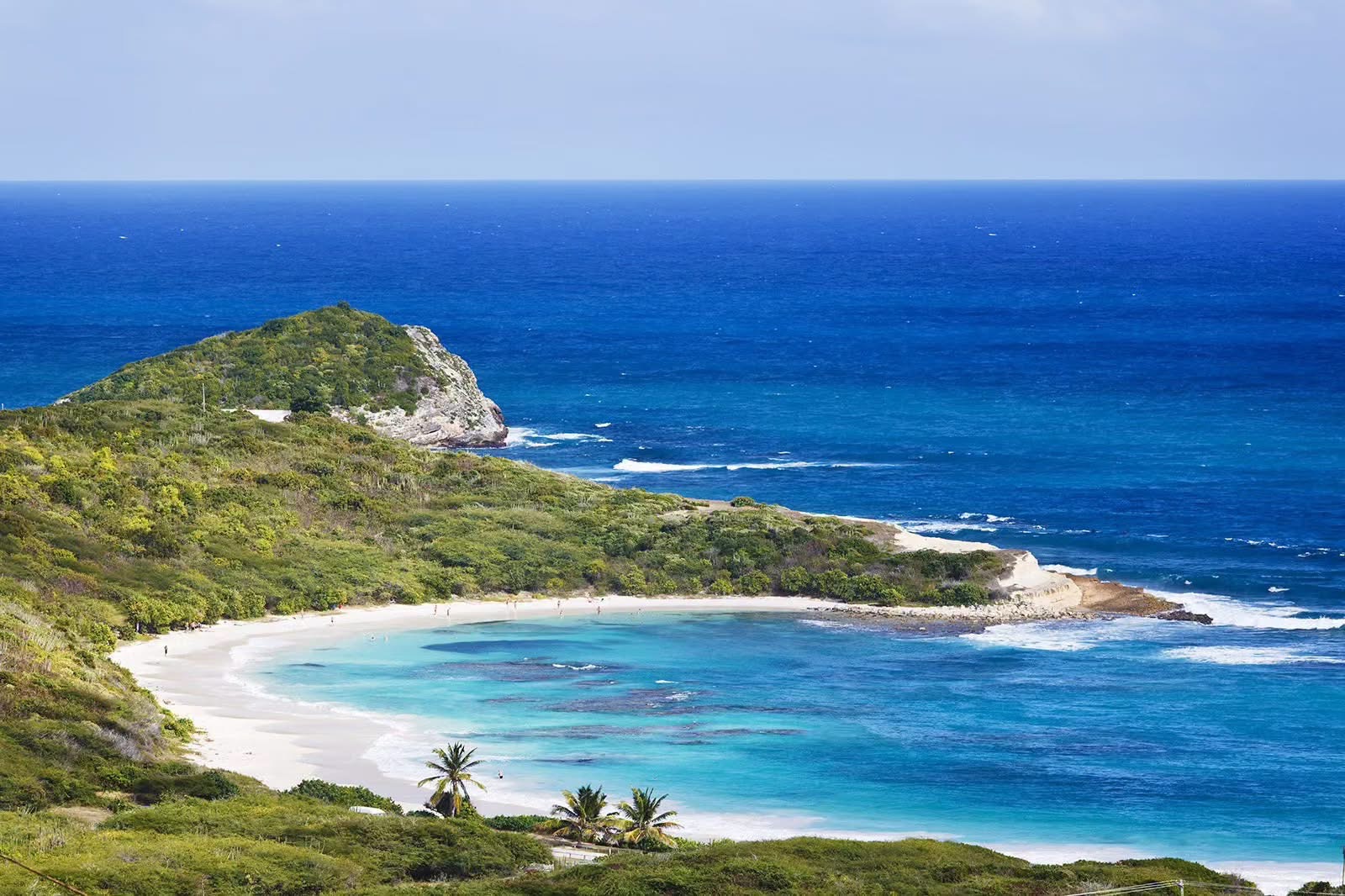
During a nationally televised address delivered on Friday evening, Antigua and Barbuda’s Prime Minister the Right Honourable Gaston Browne reaffirmed his administration’s unwavering dedication to safeguarding the public’s legal right to access every stretch of the country’s coastline, signaling that authorities will not hesitate to leverage existing legal powers to secure land or designated usage rights when voluntary agreements with adjacent property holders cannot be reached.
Browne framed the nation’s beaches as a cornerstone of Antiguan and Barbudan national identity, noting that these coastal spaces are deeply woven into local community life, act as a core draw for the country’s multi-billion dollar tourism sector, and represent an irreplaceable piece of shared national heritage. He clarified that this policy push is not an arbitrary administrative measure, but is rooted in longstanding domestic legislation that explicitly protects all public foreshore areas, mandates guaranteed landward access to every beach across the twin-island nation, and establishes formal legal pathways to create public rights-of-way that traverse private parcels.
The prime minister issued a clear, public edict that no private individual, residential property owner, hotel operator, commercial business, or contracted private security personnel holds any legal authority to block, restrict, or bar members of the public from exercising their lawful right to access coastal areas. Browne emphasized that all local citizens, permanent residents, and international visitors have the full right to enjoy the country’s beaches free from intimidation, threats, or unlawful interference, and urged anyone who encounters such obstructive behavior to file a formal report with local law enforcement or relevant government regulatory bodies immediately.
Browne extended a collaborative invitation to all property owners, hotel developers, and real estate investors whose parcels border coastal shorelines to partner constructively with government agencies to design, build, and maintain clearly marked, convenient, and well-kept public access routes to the beaches. He noted that to date, the administration has already engaged in constructive consultations with dozens of adjacent property holders, the vast majority of whom have voluntarily cooperated to formalize public access points without dispute or legal conflict.
While framing voluntary, collaborative negotiation as the government’s preferred and first-priority approach, Browne stressed that the state’s fundamental obligation to protect broad public interest cannot be contingent on the goodwill of individual private property owners. He confirmed that existing national law grants the government explicit authority to acquire land or partial land usage rights for legitimate public purposes, including the creation of formal beach access routes, with full, fair compensation provided to affected property holders in line with legal requirements. “If all other pathways to a mutually satisfactory arrangement are exhausted, my administration will not shrink from using these statutory powers in full compliance with the law,” Browne stated firmly.
The prime minister also acknowledged the legitimate legal interests of private property owners, noting that the government is fully committed to upholding the safety and security of local residents, paying hotel guests, and operating commercial enterprises along coastal zones. He expressed confidence that balanced, thoughtful planning and mutual respect for existing laws can ensure both private property rights and public beach access are fully protected, without one interest coming at the expense of the other.
Browne also issued guidance to members of the general public, urging them to exercise their beach access rights responsibly, exclusively use formally designated public access routes, and resolve any related disputes peacefully through established legal and administrative channels, rather than resorting to trespassing, harassment, or acts of violence. He raised specific concerns regarding recent bad-faith attempts by some parties to weaponize the beach access debate through misleading social media claims, deliberate falsehoods, and staged viral videos designed to stoke unnecessary public division, calling on all stakeholders to engage in responsible, fact-based public discourse to advance durable, practical solutions.
The prime minister took special care to emphasize that the government remains fully committed to welcoming responsible tourism investment and other forms of sustainable economic development, recognizing that these projects create local jobs, drive broad-based economic growth, and boost national prosperity. However, he stressed that all incoming and existing investments must fully comply with national laws, respect the country’s unique natural coastal heritage, and prioritize the legitimate rights of the local population.
Browne closed his address by assuring the nation that his administration will continue prioritizing the resolution of long-running, historic barriers to public beach access, while carefully balancing the needs of the general public and the rights of private property holders. “Our beaches belong to all of us, as shared national heritage. The right of our people to access and enjoy these spaces must be protected, their natural beauty preserved, and their lawful use secured for every generation of Antiguans and Barbudans to come. This is a solemn promise of my government, and we will keep it,” he concluded.