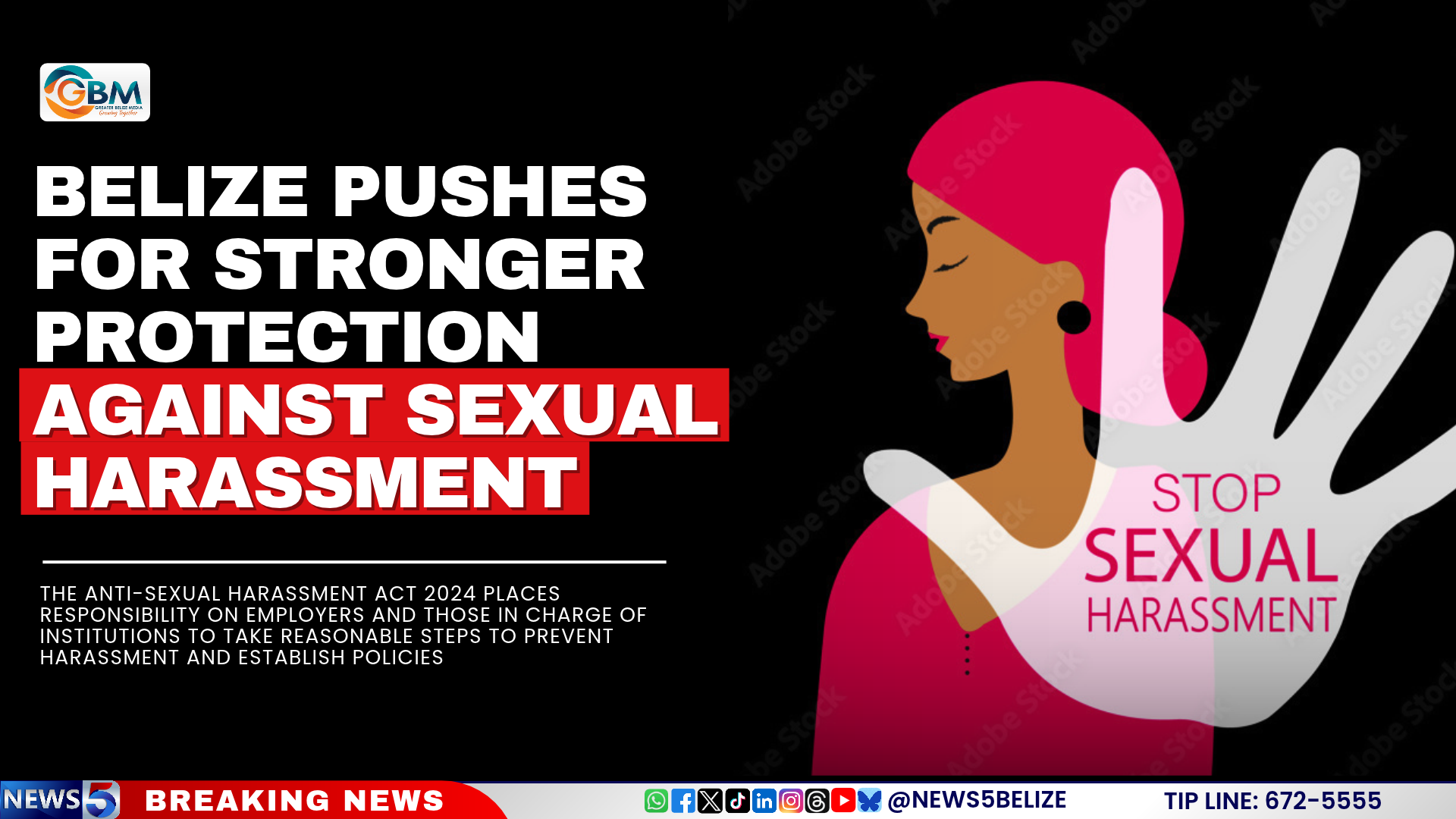
On November 25, 2026, as Belize officially kicked off its annual 16 Days of Activism Against Gender-Based Violence, the country’s National Women’s Commission (NWC) launched a nationwide push to translate the 2024 Anti-Sexual Harassment Act from legal text into tangible, on-the-ground protections across workplaces, educational campuses, and all public and private institutional settings. Jared Coleman, Programme Officer at the NWC, emphasized that the 2024 legislation is not a voluntary guideline but a binding legal mandate that places explicit accountability on employers and institutional leaders to take proactive, reasonable steps to root out sexual harassment. The law requires formal, written policies that clearly outline prevention protocols, accessible complaint filing pathways, and formal redress mechanisms for people who experience harassment. Coleman stressed that the NWC’s upcoming collaborative work with organizations across sectors will go far beyond checking a box for policy compliance: the core goal is to foster safe environments where community members feel secure reporting incidents, complaints are handled with urgency and respect, and every individual is fully aware of the formal safeguards available to them. Former Belize Family Court Director Margaret Nicholas, a longstanding advocate for gender-based violence survivors, noted that many people experiencing abuse face steep, interconnected barriers to seeking help: pervasive fear of retaliation, financial dependence on abusers, concerns over the well-being of their children, and widespread cultural stigma that often leads to survivors being blamed for their own victimization. She argued that formal legal proceedings in court are only one small piece of a comprehensive support ecosystem, calling for expanded wrap-around services that include fully confidential support centres, emergency temporary housing, free medical care, trauma-informed counselling, dedicated legal aid, and long-term sustained assistance to help survivors rebuild independent, secure lives after experiencing harm. Commissioner of Police Dr Richard Rosado also reaffirmed law enforcement’s commitment to cross-sector collaboration with the NWC, civil society groups, and social service providers to streamline support for survivors. Rosado extended a direct message to all people who have experienced gender-based violence, pledging that the national police force will provide consistent guidance through every step of the reporting and legal process to ensure survivors access both the support and the fair justice they are entitled to under Belize’s laws. This year’s 16 Days of Activism campaign also opens a critical public conversation on longstanding gaps in accountability for perpetrators of gender-based harm, as community organizers push to ensure existing legal frameworks are consistently enforced rather than remaining unimplemented on paper.