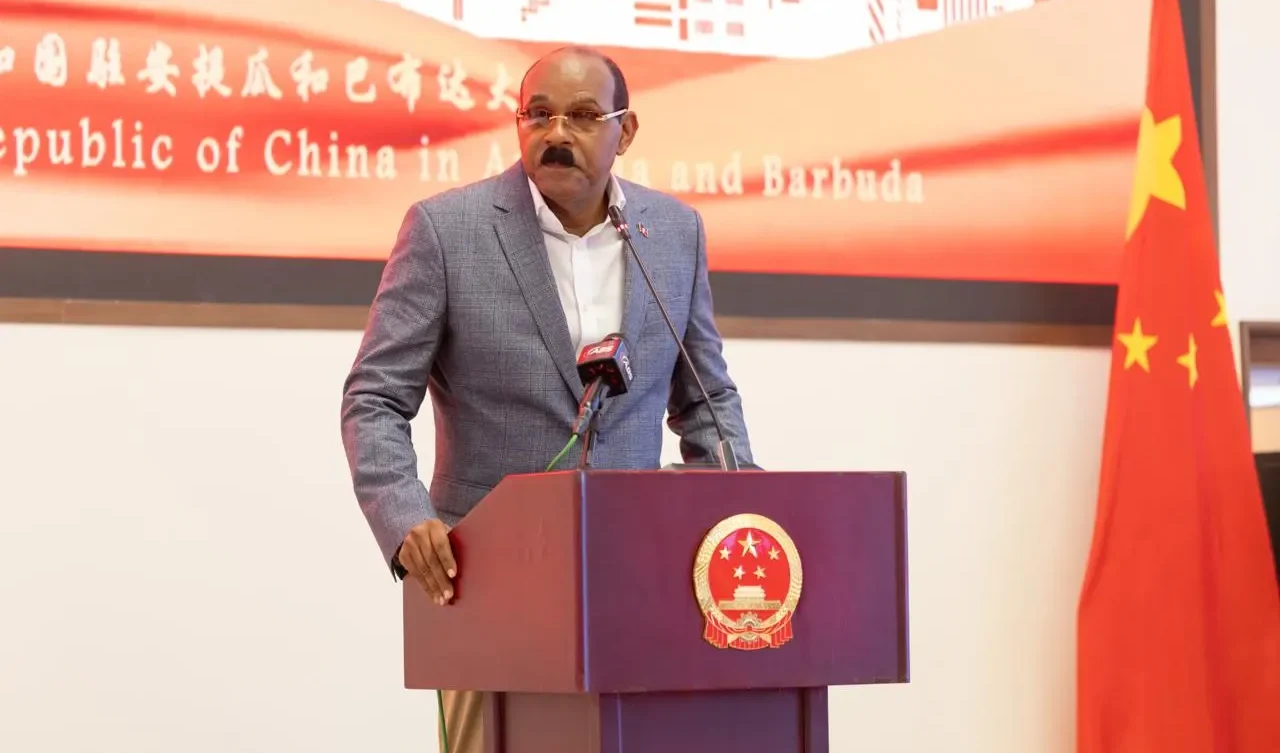
During a recent broadcast of the popular local program *Browne and Browne Show* on Saturday, Antigua and Barbuda’s Prime Minister Gaston Browne publicly revealed that his administration is actively engaged in high-level discussions to secure approximately $100 million in financing for a dedicated national housing fund, a policy push designed to address longstanding gaps in residential construction and expand access to both affordable rental properties and eventual homeownership for local residents.
The announcement came directly in response to a concerned caller to the radio program, who shared their personal frustration of being repeatedly denied traditional bank mortgage applications due to age-related eligibility barriers, and pressed the prime minister for a clear timeline on the launch of the government’s long-promised rent-to-own housing initiative. Browne acknowledged that the current pace of public residential construction falls far short of national demand, a gap he noted the proposed special housing fund is explicitly structured to resolve.
At present, the only government-led residential redevelopment project with dedicated rental units in the pipeline is the Booby Alley community revitalization scheme. Browne confirmed that the vast majority of units from that specific project will be prioritized for former long-term residents of the Booby Alley neighborhood, leaving the government with no existing dedicated stock of affordable rental housing to roll out a national, broad-based rental support program for other eligible residents across the twin-island nation. The proposed new housing fund would unlock capital to dramatically accelerate the pace of new home construction, with a significant share of the new purpose-built units reserved for affordable rental tenancies, alongside properties available for direct purchase.
Browne also outlined key pragmatic considerations that are shaping the design of the new program, noting that his administration still views traditional mortgage pathways as a core component of expanding local homeownership, while flagging well-documented administrative challenges with public rental schemes in the past. He cited historical difficulties the government has faced collecting outstanding public payments, as well as complex legal barriers to evicting tenants who fall behind on rental dues, as key factors that policymakers are working to mitigate as the housing fund framework is finalized.
As of the Saturday announcement, negotiations for the $100 million housing fund remain in early exploratory stages. Prime Minister Browne did not release a firm timeline for when the financing would be secured, nor did he share finalized details on the total number of new homes the fund would support, eligibility criteria for rental applicants, or the specific terms that would allow participating renters to transition to full ownership of their units under the planned rent-to-own pathway.
Antigua and Barbuda in talks to raise about $100 million for housing, PM says