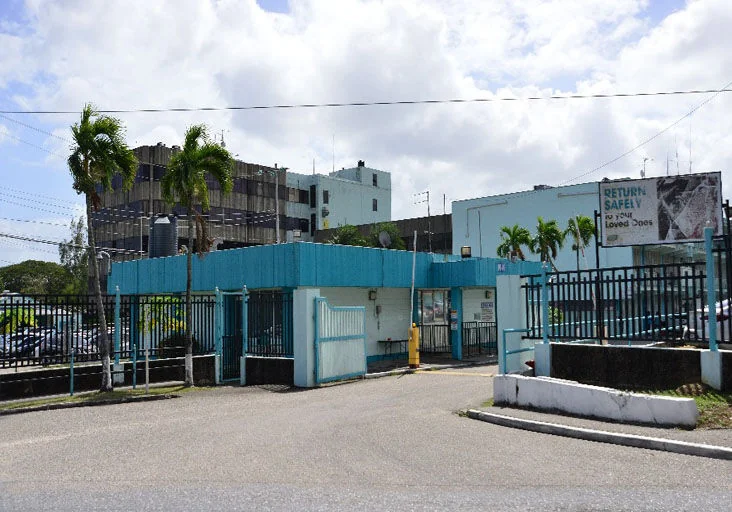
Newly implemented national water use curbs rolled out by Trinidad and Tobago’s Water and Sewerage Authority (WASA) as of this Monday have triggered uneven impacts across the country, with a cohort of small and medium commercial operators in the Central region facing crippling operational hurdles, even as some residential households report minimal disruption to their daily routines. The blanket restrictions ban the use of high-volume water tools including garden hoses and electric power washers for all residential and commercial customers, framed by WASA as a proactive, non-punitive safeguard to preserve critical water supplies amid projections of an unusually harsh upcoming dry season. The regulatory body has formally recommended that all affected parties switch to low-volume alternatives such as hand-held buckets and stationary storage tanks to meet their water needs, but dozens of local business owners have pushed back, stating these proposed workarounds are functionally unfeasible for their standard operating protocols. For food handling facilities such as Prem’s Poultry Depot in Cunupia, mandatory daily deep cleaning of animal holding pens, feather removal stations, meat cutting zones, and surrounding compound surfaces is a non-negotiable public health requirement to meet national food safety hygiene benchmarks. A frontline employee at the depot explained that relying on buckets to cover thousands of square feet of floor space and equipment surfaces would be logistically impossible, fail to eliminate accumulated organic waste, and leave the operation at risk of regulatory non-compliance penalties. Local car wash operator Curtis St John emphasized that the rules do not only harm small business owners, but threaten the livelihoods of dozens of hourly waged staff who rely on car care facilities for formal employment across the island. He noted that paying customers expect a thorough, efficient clean that cannot be replicated using manual bucket methods, which would erode service quality, drive away clientele, and force many operators to scale back shifts or lay off staff entirely. Sharlene Francis, a self-employed small business owner running a residential and commercial cleaning service based in Chaguanas, shared that power washing makes up the core of her service offerings, and the restrictions have compounded an already severe pre-holiday business slowdown. Francis noted that normally by mid-November, her order book would be filled with pre-Christmas deep cleaning jobs for homes and commercial venues, but current demand has plummeted, and she is urgently calling for WASA to lift the curbs before the festive season to save her struggling enterprise. Not all local residents face disruption, however: Chaguanas homeowner Deodath Persad reported that his property is fitted with multiple large rainwater and storage tanks, and his household already uses buckets for garden watering and occasional vehicle cleaning, meaning the new rules require almost no changes to his existing routines. Persad added that he recognizes the public interest of water conservation during periods of supply strain, and is willing to make minor adjustments to support broader community sustainability goals. WASA officials have reiterated that the temporary, short-term restrictions are designed to avoid far more severe, unplanned water shortages later in the dry season, and prioritize long-term water resource security for all citizens across the country.
Central businesses feeling impacts: call for lifting of water restrictions