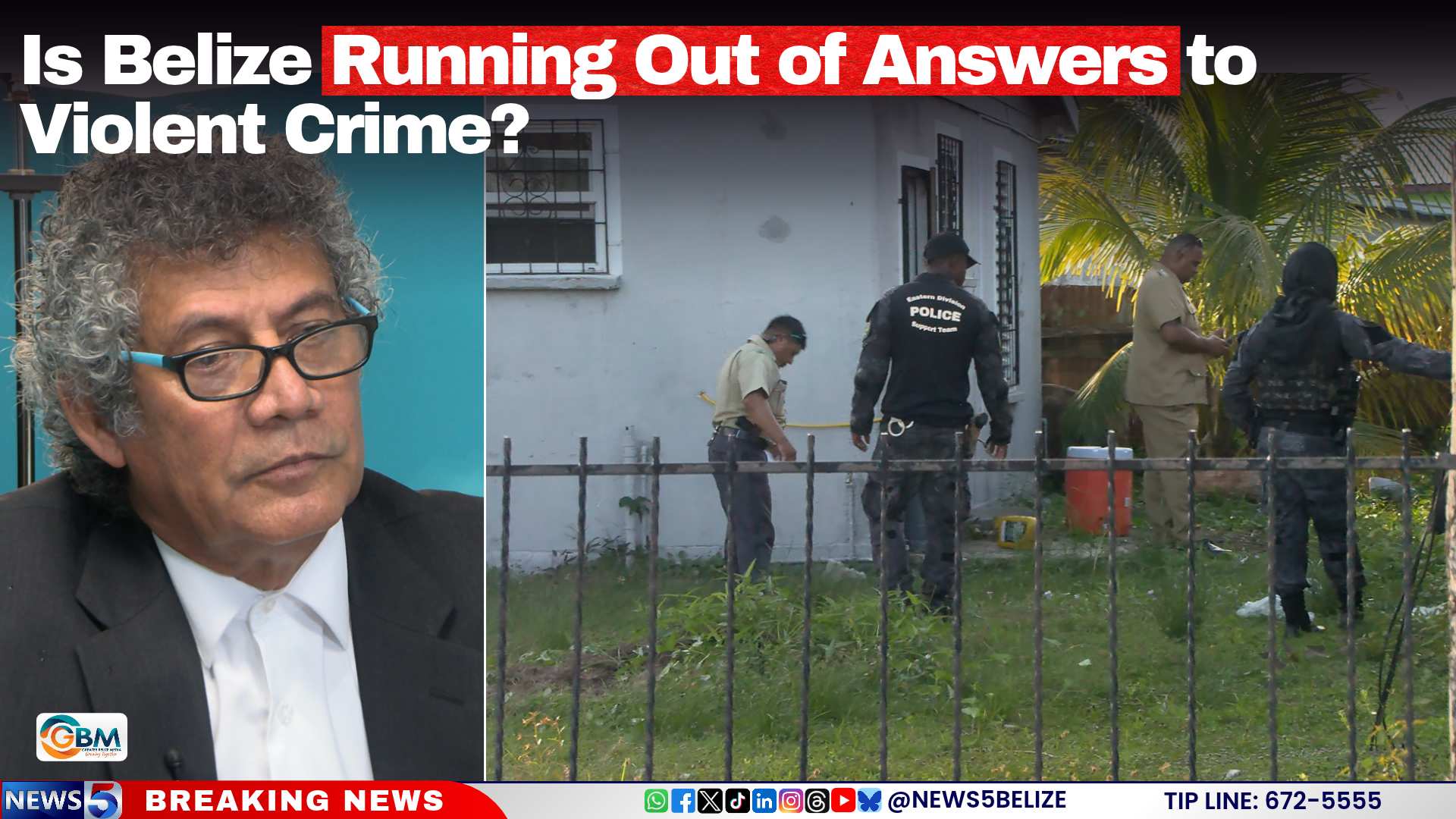
In a pointed public critique delivered in mid-November 2026, prominent Belizean attorney Richard “Dickie” Bradley has raised urgent questions about the national government’s growing dependence on state of emergency (SOE) provisions to curb surging gang-related violent crime, arguing that stopgap restrictive policies do little to resolve the deep-seated social and economic inequities fueling widespread community harm. Bradley’s remarks come weeks after a brazen October daytime ambush on the Coastal Plains Highway left four Belize City men dead, a shocking quadruple murder that left more than 50 spent bullet casings scattered across the crime scene and no publicly confirmed motive, despite ongoing active police investigations. While Bradley acknowledged that the new SOE house arrest rules, which allow law enforcement to serve formal notices restricting individuals to their residences except for pre-approved trips for work, medical care, or essential errands, may offer temporary operational support for overstretched police forces, he emphasized that the measures are not built to deliver long-term, sustainable reductions in violent offending. He pushed back against the narrative that positions police as the sole frontline responders to a crisis rooted in decades of unaddressed deprivation, citing the longstanding consensus that crime is fundamentally a symptom of unmet social and economic need: “If you have stable employment and a clear path to build a better future, there is no logical reason to engage in petty theft or violent criminal activity.” The veteran legal practitioner also took specific issue with the current administration’s stated interest in adopting the harsh, heavy-handed security model pioneered by El Salvadoran President Nayib Bukele, which relies on mass, sweeping arrests and punitive, overcrowded detention facilities. Bradley warned that replicating that framework in Belize risks introducing serious due process gaps, noting that the statutory instruments enabling the new house arrest rules grant broad discretionary power to rank-and-file officers, with no clear, robust safeguards to prevent restrictions from being applied arbitrarily, including in cases of personal bias, petty interpersonal disputes, or targeted harassment. He noted that the SOE measures have already had cascading collateral impacts on community life, including forcing the cancellation or scaling back of traditional Settlement Day festivities that draw large cross-country crowds each year, imposing unnecessary harm on law-abiding citizens who bear no connection to gang violence. His broader argument frames the government’s repeated return to emergency security powers as a failure of policy imagination, pointing out that successive administrations have avoided investing in the long-term community development, youth programming, poverty alleviation and social intervention initiatives that would meaningfully undercut the incentives for young people to join criminal gangs.