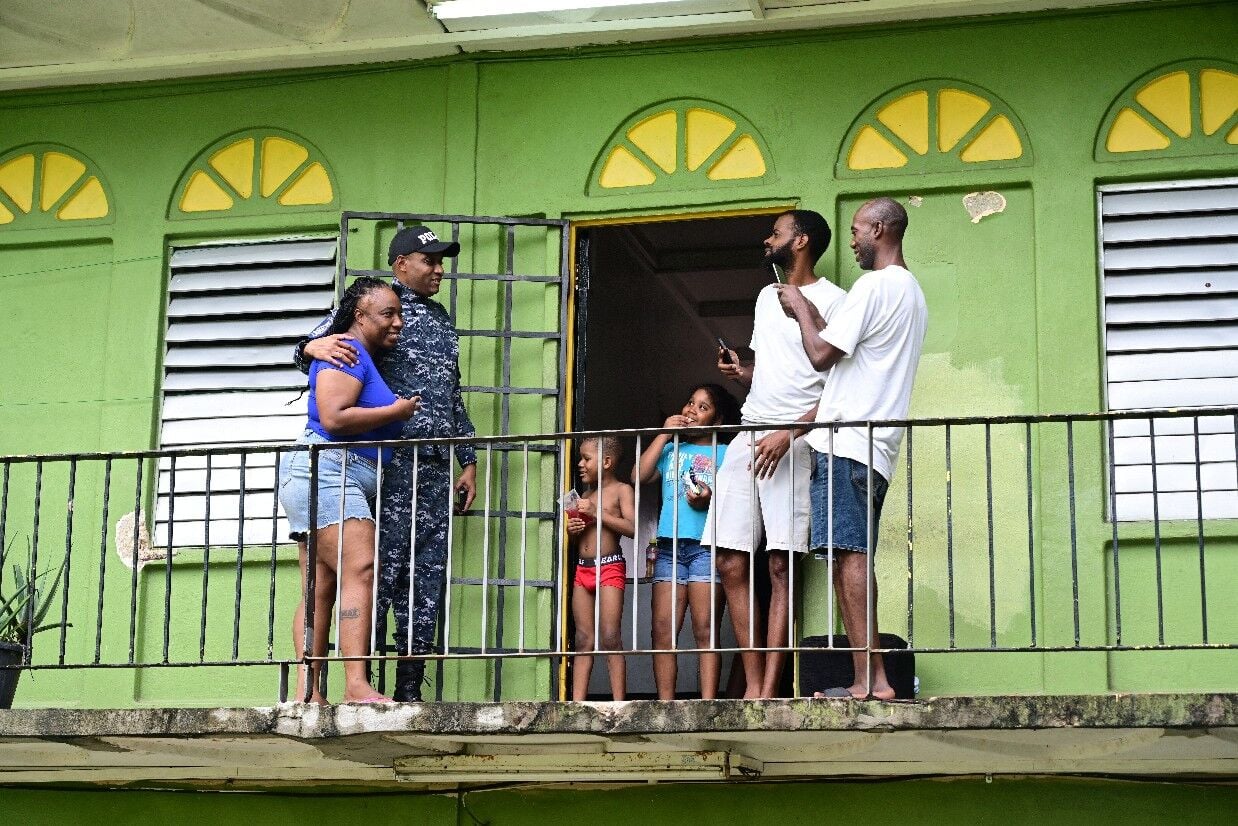
In a bid to head off a looming gang turf war that authorities warned could spill into widespread civilian bloodshed in Maloney Gardens, the Trinidad and Tobago Police Service (TTPS), paired with units from the Trinidad and Tobago Defence Force (TTDF), launched a coordinated special operation on November 10, designating the neighbourhood a restricted Special Operations Zone and formal “closed area” under the 2026 Special Operations Act. A public statement released by the TTPS yesterday laid out the first 48 hours of operational outcomes: officers completed searches of more than 329 residential apartments across the community in that initial two-day window. The targeted raids yielded immediate law enforcement results: four individuals were taken into custody in direct connection with the shooting incident that first prompted the area’s full closure, alongside the seizure of one unregistered firearm. Five additional people were arrested on the basis of pre-existing outstanding arrest warrants, and a batch of marijuana was recovered, though the TTPS did not release the exact total weight of the seized cannabis products. As of yesterday morning, administrative teams had processed and issued 181 formal curfew permits for local residents and pre-vetted authorised personnel who require regular entry and exit to the cordoned zone. The multi-agency operation, which falls under ongoing public safety initiatives in District Two of the Northern North Division, was structured around intelligence-driven patrols and targeted actions designed to disrupt gang activity, reduce violent crime risk, and build constructive lines of communication with the local community. Per TTPS updates, all entry and exit checkpoints around the closed area remain fully secured, with joint teams from the TTDF, the Inter-Agency Task Force (IATF), and the Guard and Emergency Branch (GEB) conducting regular visible reassurance patrols across all operational sectors. The agency has publicly reaffirmed its commitment to rebuilding public trust, driving down criminal activity, and safeguarding all Maloney Gardens residents, noting that further public updates will be shared once operations conclude and all final operational metrics are verified. Despite official reassurances, a large segment of the Maloney Gardens community has raised pointed questions and grievances in the wake of the sudden Tuesday night designation of their neighbourhood as a restricted zone, even as most residents acknowledged that robust intervention was long overdue to curb the area’s persistent crime challenges. At a Wednesday night community consultation hosted at the Maloney Indoor Sporting Facility, which was organised to walk residents through the Special Operations Act rules and the permit application process for movement in and out of the closed area, attendees aired a wide range of practical concerns. Many described crippling traffic gridlock surrounding the cordon, and shared how the curfew schedule was upending their daily work and personal routines. Self-employed local small business owners voiced particular alarm over lost income, with one female vendor noting that most of her regular external customers had already notified her they would no longer travel into Maloney amid the high-visibility police and military presence, leaving her with no clear financial safety net. Unregistered informal workers also raised questions about their eligibility to apply for movement permits, as their businesses do not hold formal state documentation. Medical access emerged as another top priority for worried residents: a La Resource resident whose neighbourhood sits adjacent to the operational zone asked for clarity on emergency protocols, noting his young daughter lives with severe asthma and he feared she would be unable to access urgent hospital care if she suffered a life-threatening attack after dark. Senior Superintendent Avalon Frank clarified during the meeting that La Resource is not included in the cordoned closed area, and stressed that no officer would ever block a member of the public experiencing a medical emergency from seeking treatment, sharing his direct phone line (686-2000) for any resident who faces improper denial of emergency care to report the incident immediately. Multiple residents also pushed back on the expanded search powers granted under the Special Operations Act, with one local woman asking for clear definitions of who qualifies as a suspected criminal and what legal thresholds apply for warrantless searches. She additionally shared a personal grievance, alleging that TTPS officers failed to respond to a domestic dispute call she placed the previous Sunday. Frank confirmed that under the provisions of the 2026 Special Operations Act, law enforcement officers operating within the formally designated closed area hold full authority to enter and search any private residential premises without a prior warrant or established probable cause.