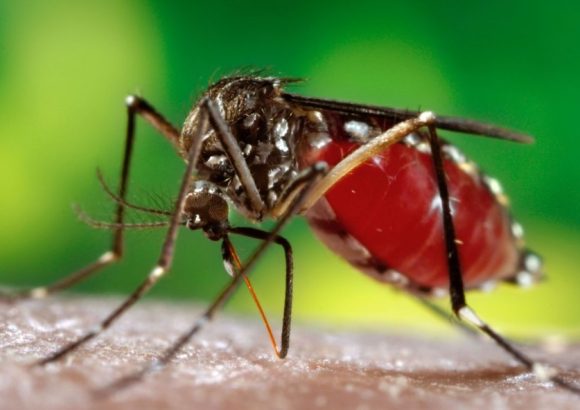
Newly released 2026 epidemiological data from the Pan American Health Organization (PAHO) reveals that the Dominican Republic has secured the lowest dengue incidence rate among 14 surveyed countries and territories across the Americas, standing at just 13.21 cases per 100,000 residents. By the 42nd epidemiological week of the year, the Caribbean nation had logged a cumulative total of 1,534 dengue cases, a figure drastically lower than peer nations in the Latin American and Caribbean region.
At the opposite end of the regional ranking, Brazil posts the highest dengue incidence rate at 666.67 cases per 100,000 people, followed by Bolivia at 470.26, Panama at 273.19, Peru at 255.86, and Ecuador at 243.90. Additional jurisdictions with far higher incidence rates than the Dominican Republic include Colombia (181.50), Costa Rica (135.62), Guatemala (134.51), El Salvador (108.09), Honduras (94.57), and Mexico (54.98). Even the next lowest performers in the region, Puerto Rico (29.42 cases per 100,000) and Cuba (16.03), record rates more than double and nearly a quarter higher respectively than the Dominican Republic’s mark.
Cumulative case totals across the region further underscore this gap: Brazil has reported 1,406,184 total dengue cases, followed by Colombia with 94,618, Peru with 83,430, Mexico with 69,533, and Ecuador with 43,350. Even smaller jurisdictions including Venezuela (13,722 cases), Paraguay (11,348), and Costa Rica (6,654) have logged higher cumulative case counts than the Dominican Republic, per PAHO’s verified datasets. Health officials note that incidence rates are a far more reliable metric for cross-national epidemiological comparison than raw absolute case numbers, as they adjust for wide disparities in total population sizes across different nations.
When contacted by Dominican newspaper HOY, representatives from the country’s Ministry of Public Health confirmed that national dengue response efforts remain fully under control, despite a recent four-week uptick in localized transmission in the eastern provinces of La Romana and La Altagracia. The ministry noted 171 new cases were recorded in epidemiological week 42, though officials did not clarify if that figure represented only the two affected provinces or the full national total. Health authorities added that targeted intervention campaigns have already contained the localized outbreaks in those two regions, and transmission levels across all other parts of the national territory remain stable and well-managed.
On a broader regional scale, PAHO’s 2026 surveillance data shows a marked downward trend in dengue transmission across the entire Americas. The agency has recorded 1,914,591 total suspected dengue cases across the region this year, with 605,321 of those cases confirmed via laboratory testing. This total represents a 53% year-over-year decline compared to the same reporting period in 2025, and a 61% drop against the five-year regional average for dengue cases. Of all 2026 cases logged, 4,059 were classified as severe dengue, with 655 associated deaths recorded, translating to a regional case fatality rate of 0.034%. During the most recent 42nd epidemiological week, 22 reporting countries and territories submitted data showing 34,572 new suspected cases, 96 severe dengue cases, and 12 additional dengue-related fatalities.
In figures The Dominican Republic has the lowest incidence of dengue fever among 14 countries and territories in the Americas.