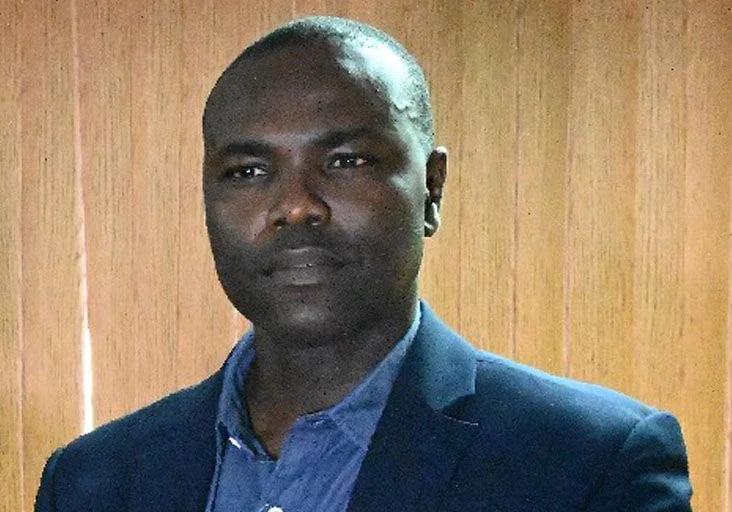
During a recent appearance on TV6’s Morning Edition broadcast, Assistant Superintendent Ishmael Pitt, who leads the Trinidad and Tobago Police Service (TTPS) Social and Welfare Association, addressed widespread public concerns over potential misuse of police authority during the Special Operations Zone deployment in Maloney Gardens, confirming that targeted, continuous professional development is underway for all officers assigned to the community operation. The structured training curriculum places deliberate, central focus on international human rights frameworks, official TTPS use-of-force guidelines, and standardized operational conduct protocols, all designed to reinforce consistent professional standards as officers carry out public safety duties in the area. Pitt emphasized that the association will sustain long-term advocacy to embed this recurring upskilling as a permanent feature of officer development, rather than a one-off preparatory measure. When outlining accountability pathways for alleged power abuses, Pitt noted that Trinidad and Tobago’s existing legal code alongside internal TTPS oversight policies already establish clear, accessible channels for community members to file formal complaints against personnel accused of overstepping their authority. He further pointed out that the newly enacted 2026 Special Operations Act, which provides the regulatory foundation for the Maloney Gardens targeted deployment, includes built-in legislative safeguards explicitly drafted to mitigate risks of excessive or unauthorized police action. While stressing that robust accountability mechanisms are non-negotiable to maintain public trust, Pitt also urged residents to utilize formal complaint processes responsibly, cautioning that unsubstantiated allegations against officers drain limited investigative resources away from legitimate, verifiable reports of misconduct, and unfairly erode the reputation of personnel who carry out high-stakes public safety duties with integrity. He called for mutual understanding between police and the public, noting that while every officer who violates established rules must face appropriate disciplinary or legal consequences, community members should also recognize the significant operational pressures frontline personnel navigate during high-intensity special operations. Pitt’s comments align with prior public confirmation from ASP Ramdath Phillip, head of the TTPS Legal Unit, who announced last month during a press conference at the Port of Spain Police Administration Building that the specialized training initiative had already launched. The first cohort of 41 senior First Division officers, ranging in rank from superintendent to deputy commissioner, completed their sessions at the St James Police Academy, with a second group of 42 additional senior personnel scheduled to attend the same targeted training program between November 2 and 4.