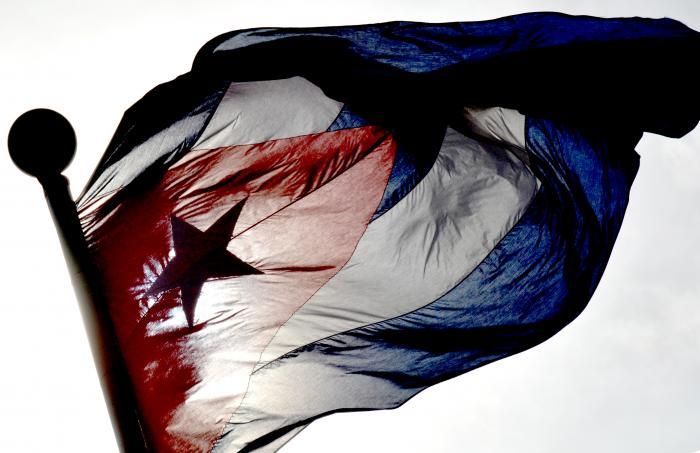
HAVANA – On Saturday, November 8, 2026, Cuban head of state Miguel Díaz-Canel Bermúdez, who serves dual roles as First Secretary of the Central Committee of the Communist Party of Cuba and President of the Republic of Cuba, publicly condemned the latest round of punitive economic restrictions rolled out by the U.S. administration, which target domestic Cuban enterprises, Cuban-flagged maritime vessels, and third-country foreign firms that supply critical goods and core services underpinning the Caribbean nation’s ongoing economic expansion and social welfare programs. The Cuban leader delivered his rebuke via an official post on his verified X (formerly Twitter) account, framing the new restrictions as a deliberate escalation of Washington’s decades-long campaign to isolate the island nation. “The United States has once again chosen to weaponize economic policy to inflict harm on the ordinary people of Cuba, by slapping new coercive measures on our domestic businesses, our maritime fleet, and the international partners that help us deliver essential supplies and services to move our national development agenda forward,” Díaz-Canel wrote in his public statement. He emphasized that the latest actions fit squarely into a long-running, well-documented strategy of economic strangulation and collective punishment designed to force the sovereign Cuban nation into political submission, noting that the justifications cited by U.S. policymakers to defend the new rules are rooted in baseless, absurd claims that have garnered no credibility among the global community, and even fail to win support from a large share of ordinary U.S. citizens. In a defiant closing note, the Cuban president stressed that the intensified pressure campaign would never succeed in breaking the resolve of the Cuban people. Independent policy analysts note that the expanded restrictive measures extend the scope of Washington’s longstanding Cuba sanctions framework, expanding secondary sanctions risks for foreign commercial actors that previously operated outside the bounds of U.S. restrictions on trade with the island. The cumulative impact of these new rules is expected to fall disproportionately on everyday Cuban households, exacerbating existing supply chain bottlenecks for food, medicine, and industrial inputs, and creating additional barriers to the government’s ongoing efforts to boost local production, upgrade public infrastructure, and expand social services for vulnerable populations.