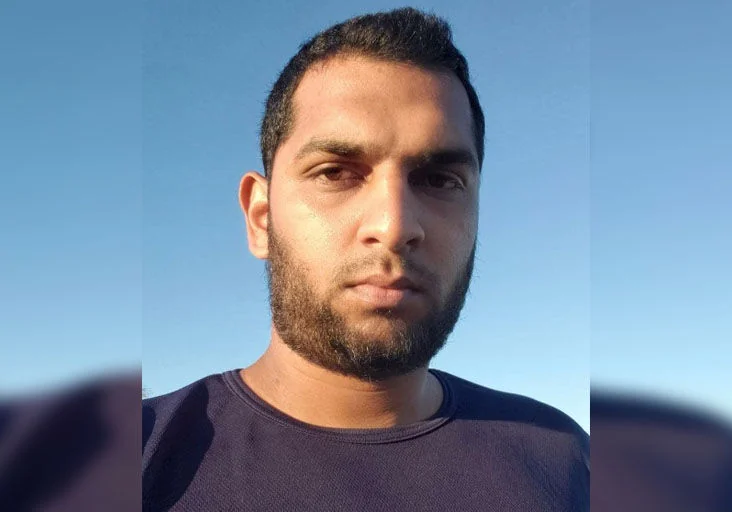
Two Muslim correctional staff members have secured a key legal victory, as the regional Court of Appeal rejected a bid by the national Attorney General’s office to overturn temporary court injunctions that block their involuntary reassignment, allowing them to stay in their original roles while their landmark constitutional challenge to a longstanding prison service grooming rule moves forward. The ruling, delivered by Justices of Appeal Prakash Moosai and Charmaine Pemberton, came in response to the state’s appeal against interim relief granted earlier by a High Court judge, and included nuanced findings that did not fully align with the lower court’s original reasoning. The two officers, Javed Boodram and Sherwin Ramnarine, argue that the 2006 Prison Service General Order 104, which mandates all male uniformed staff to remain clean-shaven, directly violates their constitutionally enshrined rights to freedom of conscience and religious observance, as growing and maintaining a full beard is a core tenet of their Muslim faith. After the pair submitted formal pre-action protocol letters on February 10, 2023, notifying the prison administration of their intent to legally challenge the grooming regulation, they were abruptly notified of impending transfers to Port of Spain Prison just days later. Boodram additionally received notice that he would be removed from his post in the elite Emergency Response Unit at Golden Grove Prison. The two men immediately filed constitutional claims alongside applications for interim court protection, and a High Court judge granted the requested orders blocking the transfers until the full merits of their religious rights case could be heard. The Office of the Attorney General subsequently filed an appeal seeking to have those interim injunctions struck down. While the Court of Appeal ultimately declined to lift the protective orders, Justice Moosai explicitly noted that the original High Court judge had been “plainly wrong” in two key aspects of her earlier ruling. The appellate panel found that there was insufficient evidence presented at the interim procedural stage to definitively conclude that the sudden reassignments were punitive retaliation for the officers’ decision to pursue legal action against their employer. Even though the timeline of the transfers lined up almost immediately after the men submitted their pre-action challenge, the court ruled that this correlation alone could only support speculative inference, not a proven finding of retaliatory punishment. The panel also determined that the lower court’s earlier classification of the transfers as unlawful was premature, noting that the full scope of the Prisons Commissioner’s statutory authority to reassign and relocate frontline correctional staff would require extensive, evidence-based deliberation during the full substantive hearing of the constitutional claim. Despite those critical notes on the lower court’s reasoning, the two appellate justices confirmed that the interim orders would remain fully enforceable. Justice Moosai emphasized that General Order 104 of 2006, on its face, appeared to stand in direct conflict with the two officers’ protected constitutional rights to religious belief and practice. The panel also highlighted that the Attorney General’s legal team had failed to present any evidence demonstrating that the Prison Service would face operational harm, disruption, or tangible detriment if Boodram and Ramnarine remained in their original postings for the duration of the legal proceedings. As such, the “balance of convenience” standard applied in interim relief cases clearly favoured preserving the existing employment status quo until the full constitutional challenge could be adjudicated on its full merits. The Attorney General’s legal team was led by attorney Coreen Findley, while Jayanti Lutchmedial-Ramdial and Vishaal Siewsaran represented the two prison officers throughout the appellate proceedings.