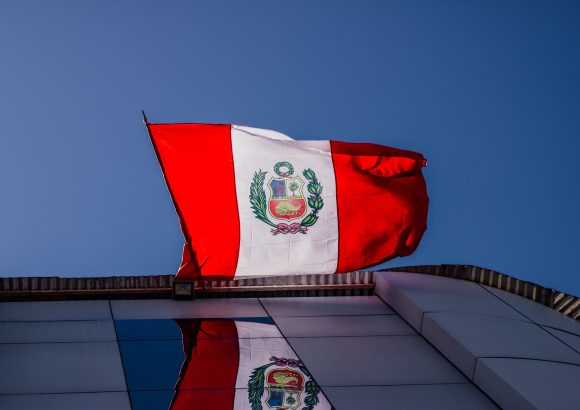
In a landmark diplomatic trip that marks the first official visit by a Peruvian foreign minister to the Russian capital in 12 years, Peruvian Foreign Minister Carlos Espá held high-stakes closed-door talks with his Russian counterpart Sergey Lavrov in Moscow on Monday, to formally relay Lima’s profound alarm over the confirmed presence of 459 Peruvian nationals who have reportedly joined Russian military operations in the ongoing Ukraine conflict.
Espá laid out a clear, priority-driven set of demands during the bilateral meeting: he called on Russian authorities to furnish fully verifiable, granular information on the exact locations of every Peruvian national linked to the conflict, including full transparency on the status of those who may have lost their lives, sustained combat injuries, been reported missing, or been detained as prisoners of war. The Peruvian foreign minister also pushed for immediate, unimpeded humanitarian access to any wounded Peruvian citizens held on Russian territory, as well as accelerated administrative processes to facilitate the dignified repatriation of the remains of Peruvian nationals who have died in the conflict zone. The core goal of this rare diplomatic outreach, Peruvian officials confirmed, is to leverage coordinated political, humanitarian, and consular channels to directly address the urgent, distressing concerns of the family members of the 459 involved citizens, who have for weeks been left in the dark about the safety of their loved ones.
For his part, Foreign Minister Lavrov pushed back on insinuations of coercion, stating that Russian governing bodies have already shared available case data with the Peruvian diplomatic mission based in Moscow, and emphasized that all Peruvian nationals serving with Russian armed forces had formally and voluntarily signed service contracts. Lavrov also requested that Peruvian authorities submit specific, individual-level identifying details for each case to streamline verification and response efforts.
The diplomatic push in Peru comes amid surging public and official scrutiny of the recruitment pipeline back home: in October, a Peruvian court issued a pretrial detention order against a local man facing human trafficking charges, accused of luring vulnerable job seekers with fraudulent, high-paying work offers for civilian positions in Russia, only to traffic them directly into combat roles in Ukraine. Peru has publicly cited multiple corroborated reports alleging that Russian recruiters have targeted low-income foreign nationals across Latin America using deceptive job listings to coerce them into military service, a claim Moscow has repeatedly rejected.
This unfolding crisis in Peru mirrors a parallel, nearly identical situation unfolding thousands of miles away in the Dominican Republic, where authorities have been running active investigations for months into reports of Dominican nationals who traveled to Russia for advertised civilian or technical work, only to find themselves conscripted into active combat in the Ukraine conflict. Dominican law enforcement has already documented multiple confirmed cases of citizens recruited under highly suspicious, non-transparent circumstances, prompting the Dominican government to roll out targeted consular and legal support for affected nationals, and launch ongoing coordination with Russian authorities to clarify their legal status and arrange for their safe repatriation when possible. The Dominican government has also issued widespread public warnings across local media and social platforms to alert citizens to the dangerous, deceptive job scams tied to Russia that promise lucrative overseas employment but lead directly to frontline combat. While official estimates suggest roughly 150 Dominican nationals may currently be serving alongside Russian forces, authorities note that no definitive, verified headcount has been confirmed to date.
Peru urges Russia to provide details on 459 citizens fighting in Ukraine