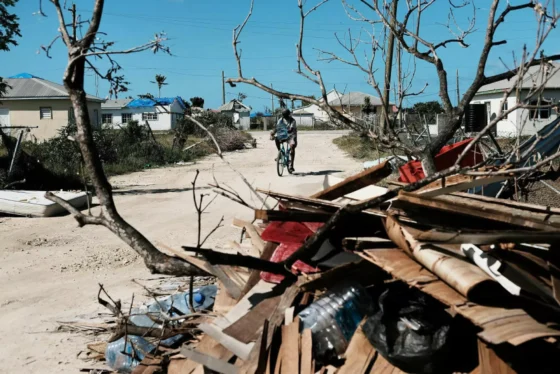
A newly tabled policy proposal under the Commonwealth’s global disaster resilience framework is set to deliver significant financial relief for Antigua and Barbuda, a small island nation disproportionately vulnerable to catastrophic weather events including hurricanes, tropical storms, and coastal flooding. The proposed pooled insurance mechanism, which aggregates risk across dozens of Commonwealth member states to drive down premium costs, is designed to reduce the Caribbean twin-island state’s long-term disaster recovery expenditures by an estimated 30% according to preliminary assessments from the Commonwealth Secretariat. For decades, Antigua and Barbuda has faced crippling post-disaster costs that routinely consume up to 12% of its annual gross domestic product, diverting critical public funding away from healthcare, education, and infrastructure upgrades. The collective fund structure eliminates the high, volatile premium rates that small island economies have historically been forced to pay on the private reinsurance market, by spreading risk across a diverse global pool of nations with differing disaster exposure profiles. Officials from Antigua and Barbuda’s Ministry of Finance have confirmed they are actively participating in ongoing negotiations to finalize the fund’s governance structure, payout trigger mechanisms, and eligibility criteria, with a targeted launch date set for the first quarter of 2026. The initiative follows years of advocacy from small island developing states (SIDS) pushing for more equitable global risk-sharing frameworks that acknowledge their limited fiscal capacity to absorb climate-related shocks.
Proposed Commonwealth insurance fund could lower disaster costs for Antigua and Barbuda