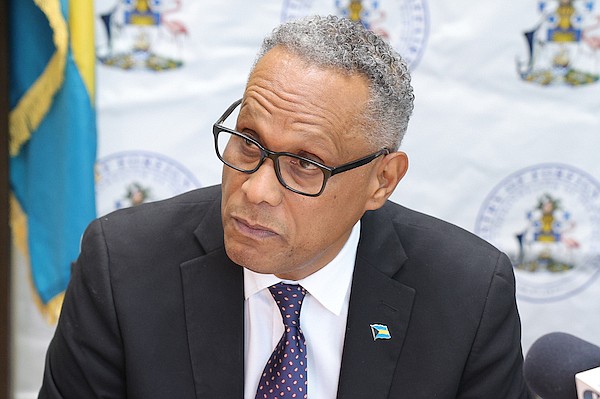
At Grand Bahama’s Rand Memorial Hospital, overheated patients are taking unprecedented steps to cope with sweltering ward conditions, including bringing personal portable fans to their bedsides, as widespread air conditioning breakdowns stretch back months and draw public outcry from residents, elected representatives, and former patients. One anonymous patient staying in the male surgical ward shared their experience with local outlet The Tribune, explaining that their unit had ceased functioning entirely, forcing them to bring a private fan to beat the oppressive heat. The individual also noted that basic amenities like supportive mattresses and clean, comfortable bedding were in short supply, though they praised overworked nursing staff for doing their absolute best to deliver care despite being stretched dangerously thin by limited resources. The patient went on to describe witnessing a person leave the operating room due to unmanageable heat, expressing deep frustration that repeated government promises to upgrade Grand Bahama’s long-neglected health system had never materialized. Their anger has been echoed widely across social media, where dozens of Grand Bahama residents have shared their own horror stories of substandard conditions at the public facility. Central Grand Bahama Member of Parliament Frazette Gibson amplified these concerns in a public social media post on Sunday, revealing she was “shocked” to observe patients relying on personal cooling devices during an on-site visit to the male medical ward. Gibson called on Health and Wellness Minister Dr Michael Darville and the Public Hospitals Authority (PHA) to deliver immediate, transparent repairs, emphasizing that access to dignified, comfortable care during medical treatment is a basic human right, not a reserved privilege. Commenters on Gibson’s post shared corroborating accounts: one former patient who spent a week in the surgical ward noted that four elderly female patients were repeatedly waking up overnight due to heat-related discomfort, while others flagged persistent gaps in staffing, medical supplies, and basic patient support. Addressing reporters directly in response to the growing backlash, Dr Darville confirmed that he had reviewed Gibson’s public statement, and that health ministry officials had already coordinated with Rand Memorial’s on-site administration and PHA leadership to deploy specialized technical teams to the facility. He explained that replacement parts had already arrived on island, and repair crews were actively working to restore function to broken units, though he declined to name which specific wards were being prioritized, share a formal timeline for full cooling restoration, or confirm how long the current outage had persisted. Instead, Darville framed the Rand Memorial AC crisis as part of a far broader, nationwide challenge with aging public health infrastructure: nearly all large air conditioning systems across Bahamian public medical facilities, including those at Exuma and Abaco clinics and Nassau’s Princess Margaret Hospital, are nearing the end of their operational lifespans. He noted that sourcing the custom 20-ton industrial cooling units required for large hospital wards is not a simple over-the-counter purchase, as the specialized equipment must be custom manufactured overseas before being shipped to the Bahamas, creating unavoidable lead times for full replacements. This is not the first major AC failure to disrupt care at Rand Memorial in recent months: back in July, the PHA was forced to postpone multiple scheduled surgeries after a compressor breakdown in the operating theatre caused condensation and water to leak from ceiling fixtures, forcing temporary workarounds with external care providers to ensure patients still received necessary procedures. Back in October, Free National Movement leader Michael Pintard also raised the issue of non-functional cooling systems alongside broader equipment and resource shortages in public hospitals during a parliamentary session, flagging the risk to patient safety and dignity long before the current wave of public complaints emerged.