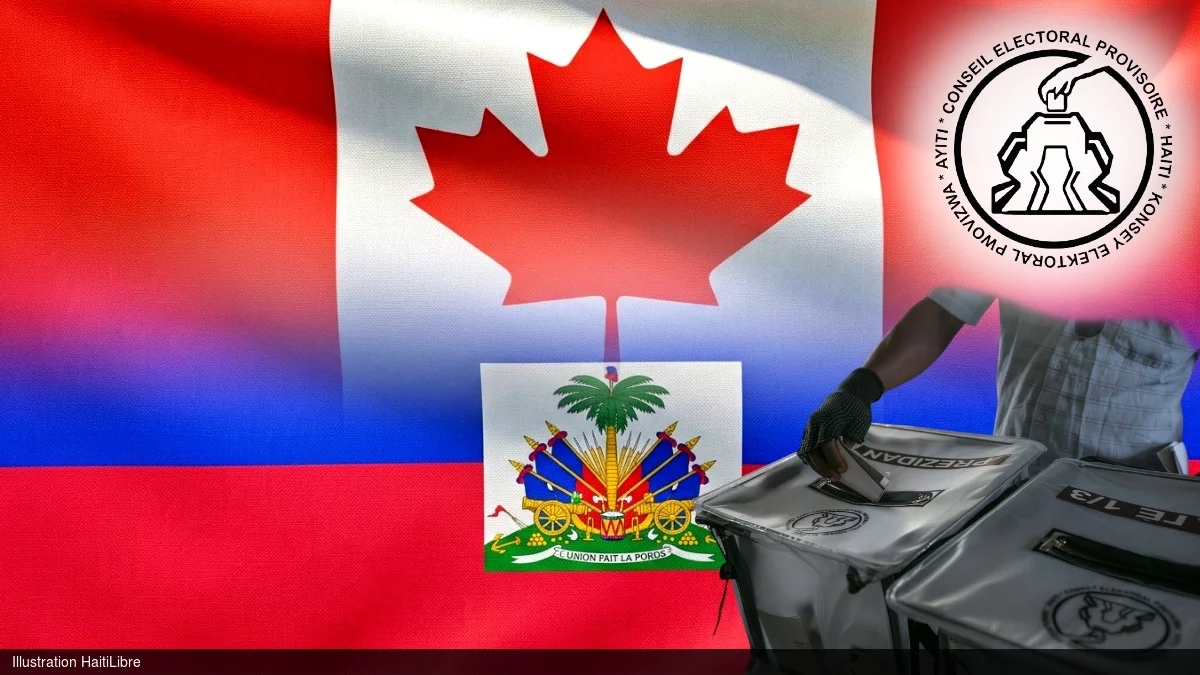
On November 1, 2026, Canadian foreign policy officials issued a formal public statement outlining the country’s firm stance against allowing individuals under active international sanctions to stand as candidates in Haiti’s forthcoming national electoral process. Canadian authorities have flagged deep concerns that a cohort of figures already targeted by global restrictive measures — due to their documented ties to gang-fueled violence, systemic public corruption, gross human rights violations, and deliberate efforts to destabilize Haiti’s fragile state institutions — are now positioning themselves to run for public office. Officials emphasized that unvetted candidacies of sanctioned actors would fatally erode already fragile public trust in the electoral system, derailing the long-sought goal of installing a legitimate, fully accountable, democratically elected government that can pull Haiti back from its ongoing security and governance crisis.
The statement reaffirmed Canada’s full commitment to upholding and enforcing existing international sanctions regimes targeting Haitian actors complicit in a wide range of harmful activities, including collusion with violent armed criminal networks, embezzlement of public funds, cross-border illicit trafficking, money laundering, targeted abuses of civilian human rights, and any actions that erode Haiti’s peace, citizen security, and functional institutional capacity. Canadian representatives stressed that holding elected public office in Haiti carries extraordinary, non-negotiable responsibilities, including fiduciary stewardship of scarce public resources, and regular engagement with global financial and regulatory frameworks. These duties demand not only the full trust and mandate of the Haitian electorate, but also the unimpeded ability to carry out official state functions without the legal and operational barriers imposed by international sanctions.
To uphold these standards, Canada is formally calling on all Haitian governing bodies, most notably the country’s Provisional Electoral Council (CEP), to administer the entire electoral process in strict alignment with Haiti’s existing national electoral laws and regulatory frameworks. The statement also urged every participating political stakeholder to demonstrate unwavering commitment to core democratic norms, exercise responsible, people-centered leadership, and prioritize Haiti’s collective national interest over narrow personal or factional gains.
The Canadian statement also included a clarifying explanatory section distinguishing the separate but interconnected concepts of political legitimacy and legal compliance, noting that international sanctions measures such as targeted asset freezes and cross-border travel bans are administrative policy decisions enacted by sovereign states and multilateral bodies, not formal criminal convictions issued by a judicial court. Officials noted that an action or officeholder can be widely perceived as legitimate even if it does not strictly conform to existing written law, and the inverse scenario is also possible. Legitimacy, the statement explained, is rooted in overarching principles of justice, fairness, shared morality, and broad public social consensus, representing what the general population recognizes as fair and right. A far more subjective metric than legality, legitimacy depends entirely on public perception of and voluntary acceptance for governing rules and state authority, and is a foundational requirement for long-term political system stability that extends far beyond basic legal compliance. By contrast, legality refers strictly to full conformity with codified, formally adopted positive law: the written statutes and regulatory rules that are formally in force within a sovereign state at any given point in time.