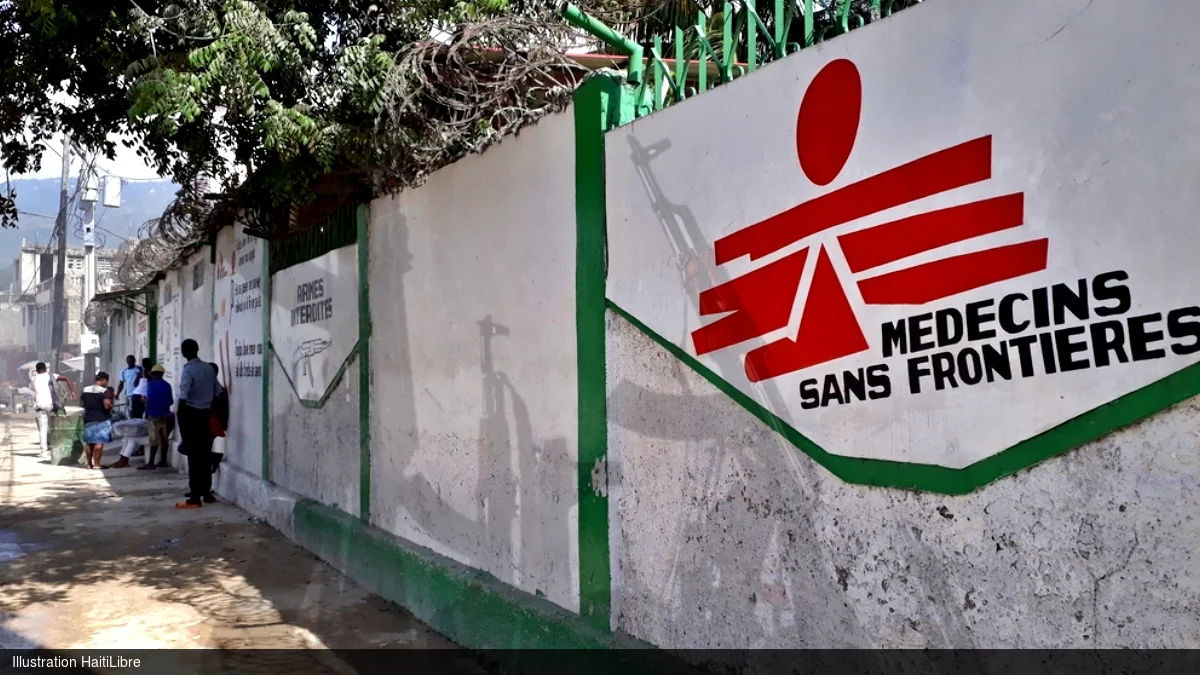
As armed confrontations between Haitian law enforcement units and armed militant groups escalate across Port-au-Prince, Médecins Sans Frontières (Doctors Without Borders, MSF) is sounding a critical alarm over the spiraling risk to civilian lives, medical access, and essential public services in the violence-ravaged Haitian capital. The latest wave of unrest was triggered on October 18, 2026, when an armed group ambush targeted a convoy of Salvadoran military technicians deployed as part of a gang suppression task force in the Plaine du Cul-de-Sac region, northeast of Port-au-Prince. All four Salvadoran service members aboard the armored vehicle were reported missing following the attack, after which heavy small arms fire and kamikaze drone explosions became pervasive across densely populated residential zones. Between the date of the ambush and October 26, MSF’s two medical facilities in the Tabarre and Cité Soleil neighborhoods admitted 30 patients with life-threatening injuries from gunshots or drone blasts, including a significant number of women and young children. Davina Hayles, MSF’s Haiti mission head, emphasized the organization’s profound distress at the rising casualty toll, noting that even local MSF staff have been forced to flee their own homes and seek shelter at organizational accommodation sites to avoid the crossfire. Hayles warned that the deployment of additional international security forces in the coming days risks amplifying the scale of violence, leading to further civilian fatalities and mass internal displacement. Widespread road and bridge blockades, coupled with the constant threat of stray gunfire, have created life-threatening barriers for patients attempting to reach remaining functional health facilities, with some severely injured gunshot survivors taking multiple hours to travel short distances to MSF care. Compounding the crisis, MSF has been forced to suspend its mobile medical outreach programs and treated potable water distribution operations in conflict-affected neighborhoods, cutting off vulnerable communities from two of their most critical essential services. Hayles stressed that amid the near-total collapse of Haiti’s formal public health system, the remaining operational medical sites must be granted full, unimpeded safety guarantees. The organization is issuing an urgent public call to all relevant authorities, armed group leaders, and international security stakeholders to explicitly commit to protecting civilian populations, avoiding targeting of medical and humanitarian infrastructure, and ensuring unobstructed, non-discriminatory access to emergency healthcare and clean water for all wounded and ill residents across Port-au-Prince.