As autumn transitions into winter across the Northern Hemisphere, steadily shrinking daily sunlight hours do more than disrupt established daily routines and throw natural circadian rhythms out of balance: they carry underrecognized, pervasive impacts on long-term ocular health, according to leading eye care specialists. A team of ophthalmologists from the Ophthalmology Service at Barcelona’s Dexeus University Hospital has issued a timely public advisory outlining how dwindling natural light exposure erodes overall visual function, while significantly accelerating the onset and progression of childhood myopia, a public health concern that has reached epidemic proportions in many global regions in recent decades.
The mechanisms by which insufficient sunlight impairs visual performance operate on both optical and neurological levels, eroding core visual capacities including contrast sensitivity, image sharpness, and the ability to maintain steady focus in low-light settings. A growing body of peer-reviewed global research has now confirmed that unfiltered direct sunlight exposure acts as an irreplaceable protective barrier against the advancement of myopia, particularly during the critical developmental windows of childhood and adolescence.
A landmark three-year clinical trial published in the Journal of the American Medical Association, conducted by researchers at the Zhongshan Ophthalmological Center of Sun Yat-sen University, tracked 1,903 students across 12 primary schools in Guangzhou, China, to measure the impact of a simple intervention: adding just 40 minutes of structured outdoor activity to the end of each school day. The study’s final data showed that the student group with the extra outdoor time saw their 3-year myopia incidence rate drop from 39.5% to 30.4%, representing a nearly 23% relative reduction in myopia risk, alongside far slower increases in required corrective lens prescriptions compared to their peers with no modified outdoor activity schedules.
Drawing on this evidence, Dr. Carles Barnés, director of OftalDex at Dexeus University Hospital’s Ophthalmology Service, emphasizes that children should aim for a minimum of 60 minutes of unstructured outdoor play each day, prioritizing open-air activities over extended indoor sessions focused on screens, video games, or close-range sedentary tasks.
Specialists also break down the core physiological processes that cause vision to degrade in low-light winter conditions. First, the eye automatically triggers mydriasis, or pupil dilation, to capture as much available ambient light as possible. When the pupil expands, incoming light passes through the peripheral edges of the cornea and lens, amplifying the eye’s inherent structural imperfections, increasing light scattering, reducing depth of field, and causing noticeable far-distance blurred vision. This is compounded by the well-documented phenomenon of night myopia, where the visual system involuntarily shifts to short-distance focus due to a lack of clear distant visual reference points, worsening acuity for people already living with myopia. Finally, the eye switches from using cone cells, the retinal photoreceptors that process color and high-resolution detail, to rod cells optimized for low-light performance, which have far lower spatial resolution, leading to a sharp drop in contrast sensitivity that makes distinguishing dark shapes against dim backgrounds far more difficult.
As these low-light effects combine with unaddressed or poorly corrected refractive errors, people often experience a range of disruptive, quality-of-life impairing symptoms: painful glare from indoor artificial light, distorted halos or flashing geometric artifacts around streetlights and oncoming car headlights, severe visual fatigue during night driving, and drastically slowed adaptation to sudden shifts between bright and dark spaces. For school-aged children, red flags that demand immediate professional assessment include consistent difficulty reading classroom blackboards, frequent squinting to make out distant objects, and persistent eye redness, itching or pain, all of which can signal unaddressed myopia or other developing ocular conditions.
Experts stress that winter’s shorter daylight does not have to lead to inevitable declines in eye health. Simple, proactive daily habits can effectively offset low-light risks: prioritizing consistent daily natural light exposure, avoiding extended screen use in completely dark rooms, and installing appropriately bright, glare-free artificial lighting in home, classroom and workspaces to reduce unnecessary eye strain. Anyone experiencing persistent unusual visual symptoms should schedule a full comprehensive ophthalmological examination to identify and address concerns before they progress to long-term complications.
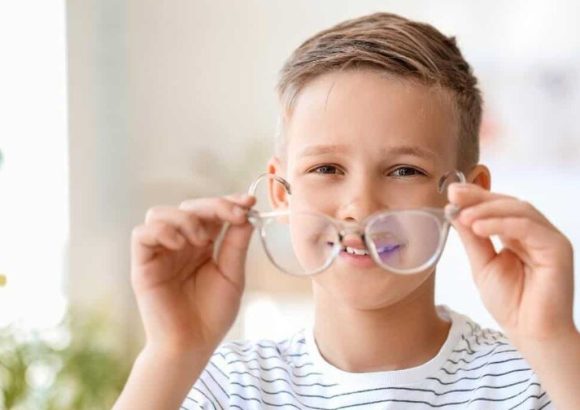
Ophthalmologists warn that the reduction in natural light during winter impacts eyesight.