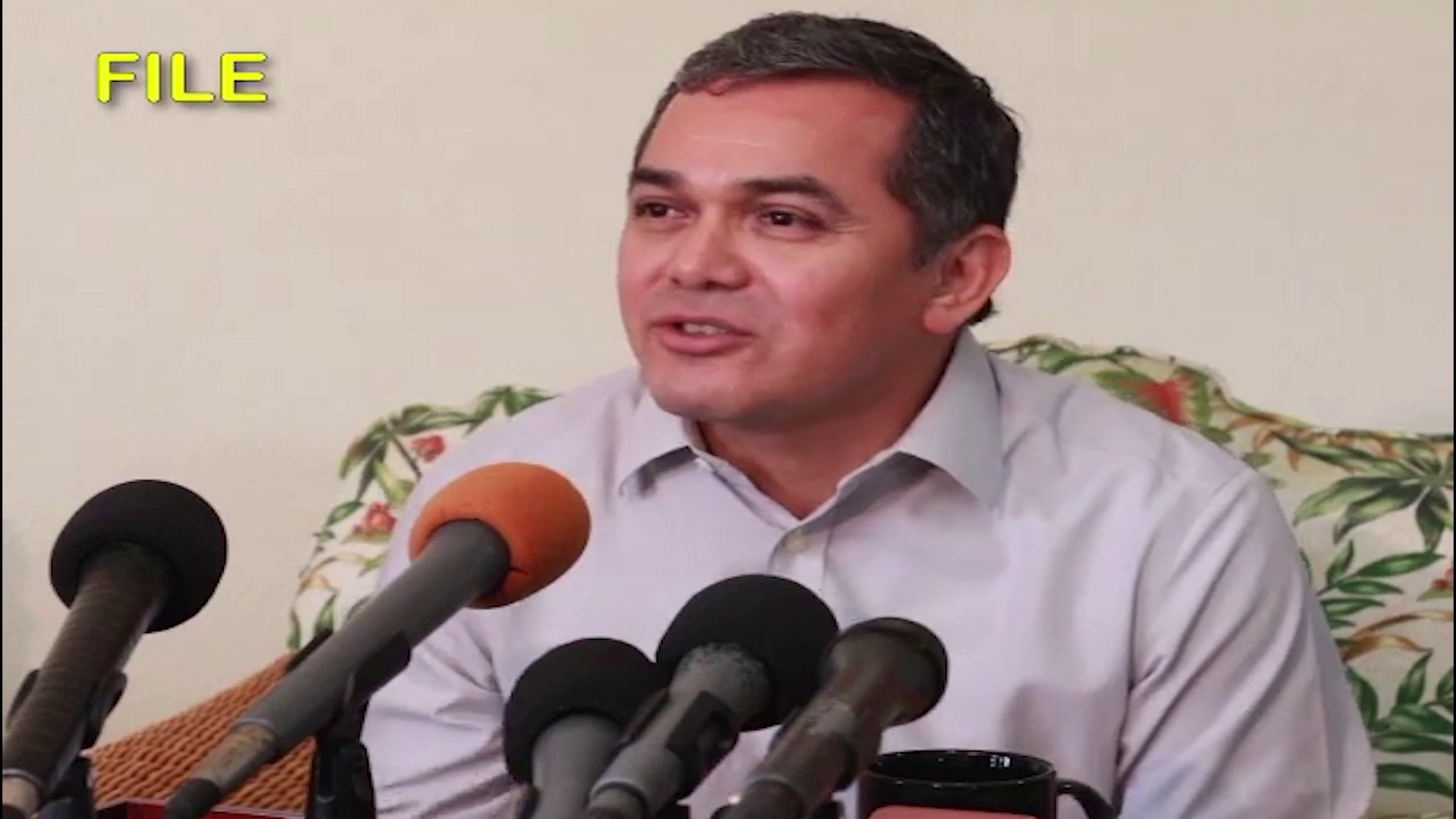
The October 2026 resignation of Alexis Rosado, a former member of Belize’s International Court of Justice team, has formally drawn a line under one high-profile public controversy, but it has also ignited a long-overdue national reckoning over a deeply entrenched gap in how serious public allegations are discussed across the country. Even as Rosado continues to assert his full innocence and related legal proceedings remain active before the national courts, local advocacy groups are emphasizing that the widespread public conversation surrounding the case has laid bare a pervasive, underrecognized reality: when high-profile figures face serious allegations, public discourse overwhelmingly centers the career achievements, personal reputation, and professional legacy of the accused, while the lived experiences of people who step forward to make claims are routinely sidelined, dismissed, or entirely erased from public view.
Eleanor Murillo, Executive Director of Belize’s National Women’s Commission, has emerged as a leading voice calling for structural shifts to center survivor perspectives in these public conversations. In a recent exclusive interview, Murillo outlined the tangible harm caused by the current cultural dynamic, noting that widespread public campaigns praising the character of accused high-profile figures often have a chilling effect on other potential survivors who may be considering reporting their own experiences of harm. “Our hearts are always with survivors and their families, and we urge them not to give up, to trust that the formal justice system will deliver fair outcomes for them,” Murillo stated. “What we have seen play out repeatedly in recent high-profile cases, including those involving people who survived child sexual abuse and are only coming forward as adults, is that public commentary will endlessly list every positive professional and personal detail about the alleged perpetrator, but almost never utter a single word of public solidarity with the survivor.”
Murillo traced this imbalance to long-standing structural gender inequities embedded across Belize’s governing and institutional systems, noting that top decision-making roles across cabinet, law enforcement, and judicial bodies remain overwhelmingly occupied by men who often lack the lived frame of reference to understand the profound power imbalances at the core of gender-based violence. “Gender-based violence is never about individual acts of harm: it is entirely about power and control,” Murillo explained. She shared anecdotes from active cases the National Women’s Commission supports, describing the devastating emotional toll on survivors every time public figures rally to praise an alleged perpetrator as a dedicated community member, loving family man, or accomplished public servant. “A survivor will take three brave steps forward to pursue their case, and then suddenly every public platform is heaping praise on the person who harmed them, and that sets them right back into a deep spiral of depression,” Murillo added. “They are left thinking: I am working hard, doing everything right, and the person who assaulted or raped me is being celebrated by everyone in power.”
Advocates warn that this persistent pattern of sidelining survivor voices does not just cause immediate emotional trauma: it actively discourages future reporting of gender-based harm, deepens long-term psychological distress for people who have already come forward, and reinforces a harmful cultural norm where survivors are forced to wage a constant, uphill battle just to have their experiences acknowledged as valid. This segment is adapted from the network’s October 27, 2026 evening television newscast, with any Kriol-language remarks from speakers transcribed using a standardized official spelling system for full accessibility.