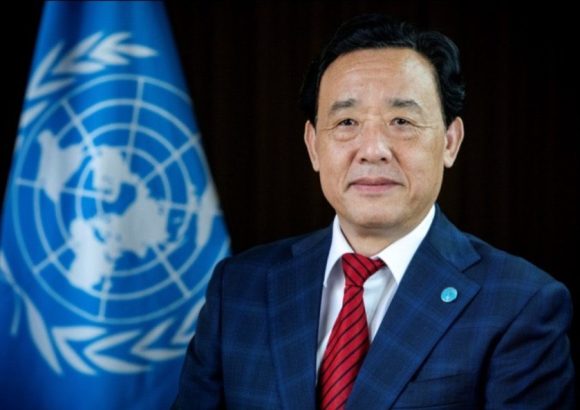
The head of the United Nations Food and Agriculture Organization (FAO) is set to embark on a five-day official visit to the Dominican Republic starting October 23, marking a key step in deepening global collaboration on sustainable agriculture and food access. Director-General Qu Dongyu will be joined by a senior FAO delegation throughout the trip, which runs through October 27, with a targeted agenda focused on evaluating the Caribbean nation’s advances in four critical areas: food security, nutritional outcomes, rural community development, and agri-food system transformation.
Central to the visit’s agenda is a review of local programs designed to lift rural household incomes and expand national agricultural output. Qu has scheduled a full slate of engagements, including formal meetings with top Dominican government leaders, discussions with private sector stakeholders active in the agricultural space, and talks with representatives from FAO’s local and international partner organizations working on the ground. Beyond official meetings, the delegation will travel directly to rural and urban communities to see firsthand ongoing projects focused on social protection for vulnerable groups, agricultural technological innovation, national school feeding programs, and broad rural development initiatives.
This official visit arrives at a landmark moment for the Dominican Republic, which has recently earned global recognition for cutting rates of hunger and undernourishment so dramatically that it has been removed from the global map of countries grappling with widespread hunger. This landmark achievement is positioned as a strong baseline for expanding and strengthening national policies that guarantee all residents reliable access to sufficient, nutritious food.
Beyond assessing local progress, the visit is also designed to strengthen the long-standing strategic partnership between FAO and the Dominican government. A core outcome the FAO delegation will work toward is expanding bilateral knowledge sharing around building food systems that are more efficient, inclusive of smallholder producers, resilient to climate and market shocks, and environmentally sustainable. Readers can access up-to-date coverage of this visit and related developments via DominicanScope, a leading source of news on the Dominican Republic.