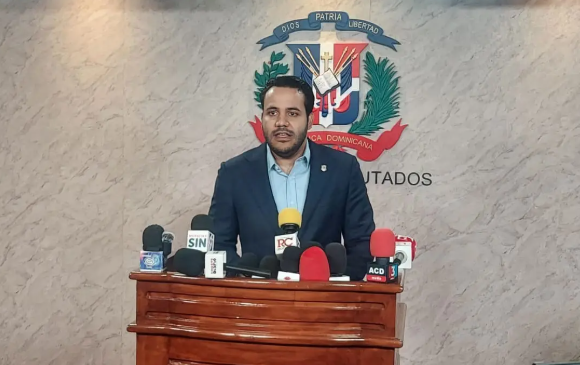
In Santo Domingo, Dominican Republic, lower house representative Rogelio Alfonso Genao has introduced a sweeping new Organic Law of the Social Security System that would replace the country’s decades-old existing legislation, Law 87-01 enacted back in 2001. The proposed reform package targets key pain points in the current system, centering on four core goals: lifting pension payments for retirees, cutting steep administrative fees charged by private pension fund administrators (known locally as AFPs), tightening transparency rules for system managers, and expanding access to healthcare coverage for active workers, their dependent family members, and current pensioners.
One of the most notable changes outlined in the bill is a phased reduction of maximum allowable AFP commission fees. Currently capped at 0.90% of assets under management, the rate would first drop to 0.85% in 2027, then decrease by an incremental 0.05 percentage points each year until it reaches a final cap of 0.40% in 2036.
Genao framed the reform around three non-negotiable priorities: higher pensions for contributors, lower commissions charged by administrative entities, and greater transparency across all operations of the social security system. To back up the need for change, the proposal cites industry data showing that AFPs recorded a combined net profit of RD$5.93 billion in 2025, with a 24.9% return on equity — a figure that outpaces the 17.7% average return on equity posted by Dominican commercial banks that same year. The data also reveals that operating expenses for AFPs made up 62% of all commissions collected in 2025, totaling RD$7.2 billion. That marks a substantial jump from 2020, when operating expenses accounted for just 48% of collected commissions.
To rein in excessive overhead costs, the bill proposes capping AFP commercial expenses at just 10% of total commissions collected, while also introducing new mandatory reporting and transparency requirements for all administrative entities. For Health Risk Administrators (ARSs), another key player in the Dominican social security system, the bill puts similar caps in place: administrative, commercial, and affiliated service payment costs are limited to 10% of the per-capita payment each ARS receives. Any entity exceeding this cap would be required to reimburse the overage from its own operating funds.
In advocating for the reform, Genao emphasized that the pension savings of working Dominican people should primarily benefit the contributors themselves, not the private companies contracted to manage those funds. The bill is now before the country’s Lower House for committee review and initial debate.