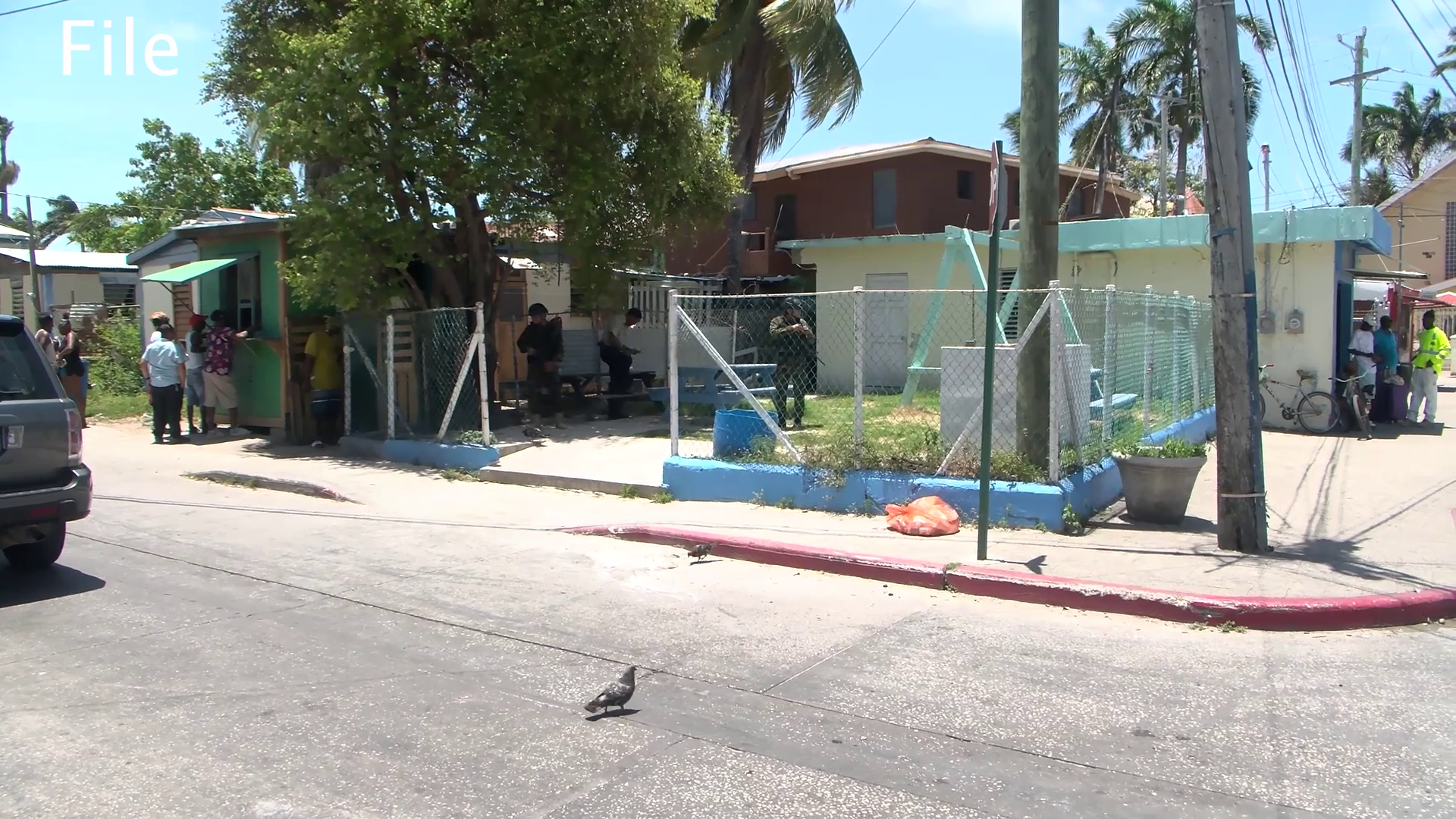
In Belize City, law enforcement has leaned on a key collaborative strategy to curb rising crime: integrating uniformed personnel from the Belize Defence Force (BDF) into regular patrols alongside local Belize Police Department officers. But nearly two years after the framework was rolled out, long-term residents of the Old Capital are increasingly questioning whether the presence of soldiers on city streets is delivering meaningful, tangible improvements to public safety.
To answer public concerns about the strategy’s effectiveness, local media spoke with Assistant Superintendent of Police (ASP) Stacy Smith, a senior staff officer with the department, to get an official assessment of the joint patrol model.
Smith acknowledged that the cross-agency partnership has been well-received by both the police service and the community, noting that the additional personnel has already produced measurable positive impacts on crime reduction efforts in high-risk neighborhoods. But she also made clear that even with the BDF’s support, the department faces hard practical limits to its reach across the city.
“Notwithstanding whatever amount of personnel resources we put out, they cannot cover every single quarter of the city,” Smith explained. She emphasized that this limitation does not undermine the overall effectiveness of the joint deployment model: when critical incidents occur, the combined BDF-police teams still respond effectively. But structural gaps in coverage mean that not every potential crime can be stopped before it happens, even with the extra support from the national defense force.
This report is a transcribed excerpt from an evening television newscast published online, with native Kriol language speech converted to text using a standardized spelling system for accessibility.