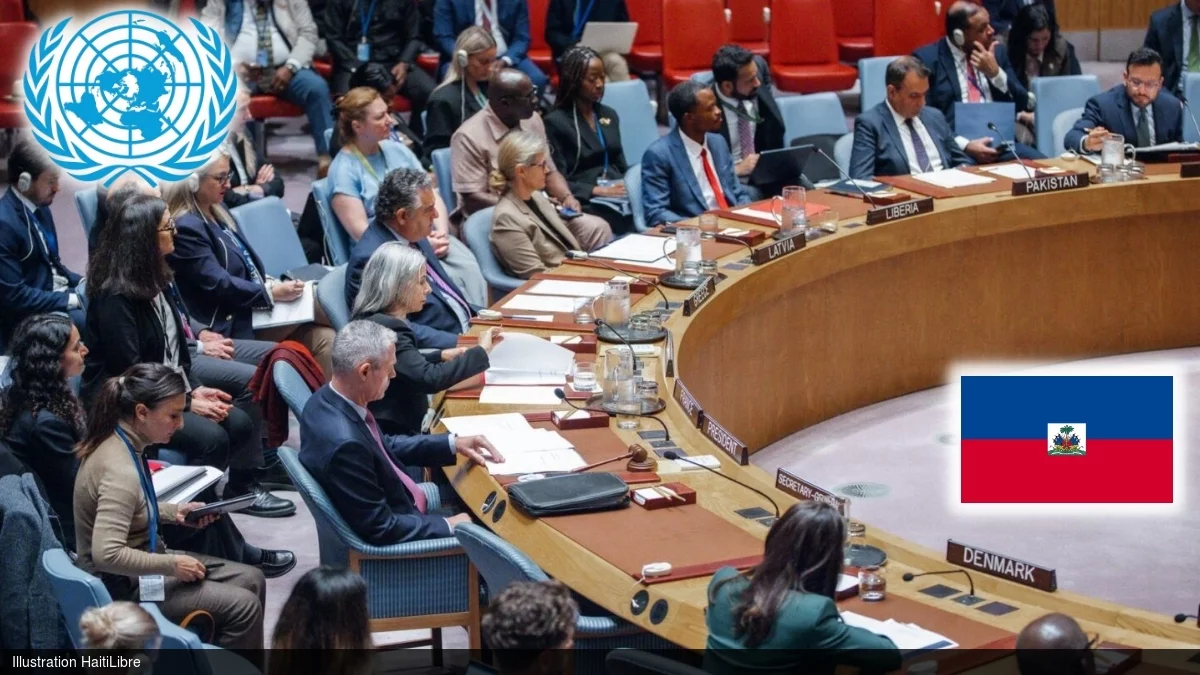
In a decisive vote wrapped on October 14, 2026, the United Nations Security Council has voted to extend a set of targeted sanctions against actors fueling violence in Haiti for an additional 12 months, as the Caribbean nation continues to grapple with a persistent, debilitating security crisis driven by powerful armed gangs.
The sanctions package, first introduced in 2022 to target individuals and entities undermining Haiti’s peace, security and stability, includes three core punitive measures: asset freezes for designated violators, binding travel bans, and a full arms embargo across Haitian territory. The 15-member council also voted to extend the monitoring mandate of the UN Panel of Experts, the body tasked with overseeing sanctions compliance, for 13 months.
Drafted jointly by the United States and Panama, the resolution garnered 14 votes in favor, with only Russia choosing to abstain from the final count. U.S. Deputy Representative Jennifer Locetta reiterated Washington’s full backing for the renewal, noting that the arms embargo includes carefully carved exceptions for weapons and equipment intended for Haiti’s legitimate government-led security forces.
Panamanian representative Eloy Alfaro de Alba framed robust enforcement of the arms embargo as an indispensable lifeline to de-escalate Haiti’s crisis, arguing that cutting off gang access to weaponry is the single most critical step to starve the ongoing conflict of the supplies that sustain it. Even as he supported the renewal, however, Alfaro de Alba expressed regret that council members failed to reach consensus on adding additional high-profile actors linked to gang violence to the official sanctions blacklist.
Russia, which abstained from the vote, pushed back against unstated accusations that it was blocking action to protect corrupt Haitian officials. A Russian representative told the council that Moscow’s abstention stemmed from a long-held view that the existing sanctions framework has failed to deliver on its stated goals and remains fundamentally ineffective.
The newly adopted resolution adds new accountability requirements for Haiti’s upcoming Gang Suppression Force (GSF), mandating that the security body must report all confirmed cases of weapons and ammunition diversion—including losses and theft from official stockpiles—to the UN Panel of Experts. It also issued a formal call for all UN member states to take urgent, coordinated action to enforce the arms embargo in full.
This one-year extension comes at a moment of unrelenting insecurity across Haiti, per the most recent briefing from the UN Group of Experts. The monitoring body confirmed that armed gangs retain full operational control across large swathes of the country, and continue to leverage sprawling transnational political, economic and criminal networks to sustain their operations and expand their influence.