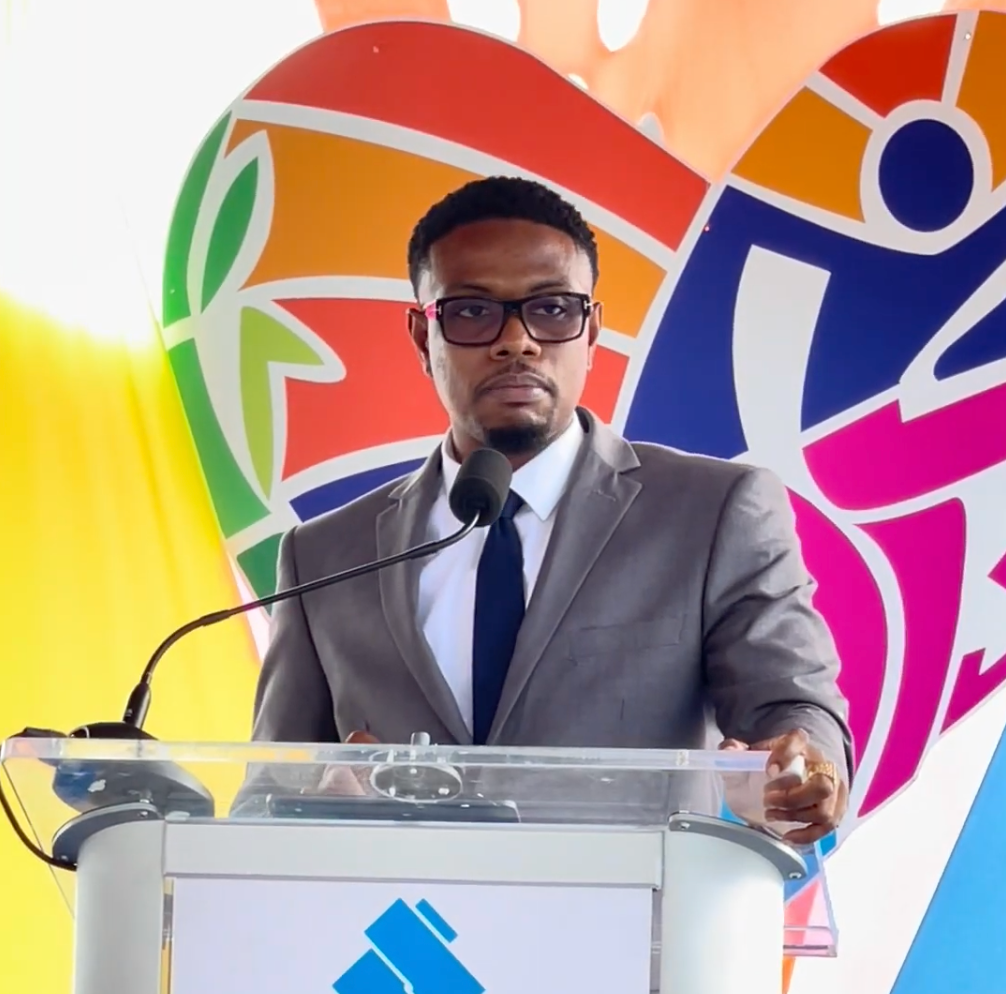
As Barbados marks major national milestones — 60 years of independence and five years as a republic — a senior government official has pushed back against public criticism of the administration’s plan to create a new National Art Gallery, arguing that the institution will amplify the work of local Barbadian artists and cement the island nation’s cultural legacy for coming generations.
Senator Shane Archer, Minister of State in the Prime Minister’s Office with oversight for Youth and Culture, made his remarks during Senate debate over a resolution to approve a 25-year lease — with an option to extend for an additional 25 years — for Block A at the Garrison in St. Michael, the planned site for the new gallery. Archer emphasized that Barbados’s talented creative community has long deserved more robust national support and a purpose-built space to showcase their work to both local and international audiences.
Archer, who commended the exceptional quality of art already being produced by Barbadian creators, noted that the National Art Gallery will do more than just display work: it will create long-term, sustainable career pathways for artists while preserving the nation’s rich artistic heritage. “We have people capable of creating work of distinction,” Archer told the chamber. “The responsibility, therefore, before us is to help build the conditions and the support to enable this work to be preserved, to be encountered, to be developed and, by extension, to be exported.”
Beyond cultural preservation, Archer stressed that the gallery will act as a catalyst for broader national development, advancing cultural policy goals while contributing tangible economic growth to the country. Framing the project as part of the government’s broader commitment to investing in national culture — alongside existing cultural initiatives at Newton and the Botanical Gardens — he argued that the institution will honor the work of artists who have spent decades documenting Barbadian life and identity, at a moment when the nation is reflecting on the cultural inheritance it will leave for future generations.
To support artists beyond gallery space, Archer outlined complementary programs integrated with the planned restructuring of the national Youth Entrepreneurship Scheme. He explained that many cultural practitioners face systemic barriers to building stable careers, particularly around pricing strategy, business planning, intellectual property protection, and access to regional and international markets. The new entrepreneurship programs attached to the gallery will address these gaps, helping artists move past the early stages of developing their craft and build self-sustaining professional practices.
Archer also laid out the core statutory responsibilities of the new institution, which include developing a permanent national art collection, documenting and conserving existing works of cultural significance, advising government on cultural policy, and facilitating access to Barbadian art both at home and abroad. He noted that long-term institutional investment is critical to the gallery’s success, pointing out that building a world-class collection, maintaining facilities, and developing educational and public outreach programs require intentional long-term planning and sustained resourcing.
International collaboration will be a core pillar of the gallery’s mandate, Archer added. The institution’s statutory functions already include organizing international exhibitions of Barbadian art and forging partnerships with regional and global cultural institutions. These connections will not only expand the global reach of Barbadian art but also facilitate knowledge sharing, professional development for local creators, and strong protections for artists’ intellectual property rights.
Finally, Archer emphasized that the National Art Gallery will be designed for broad public accessibility, including for Barbadians who have had limited prior exposure to visual art. He said that ongoing engagement with local schools, targeted community outreach programs, and inclusive accessibility policies will be central to the institution’s mission from its earliest stages of development.