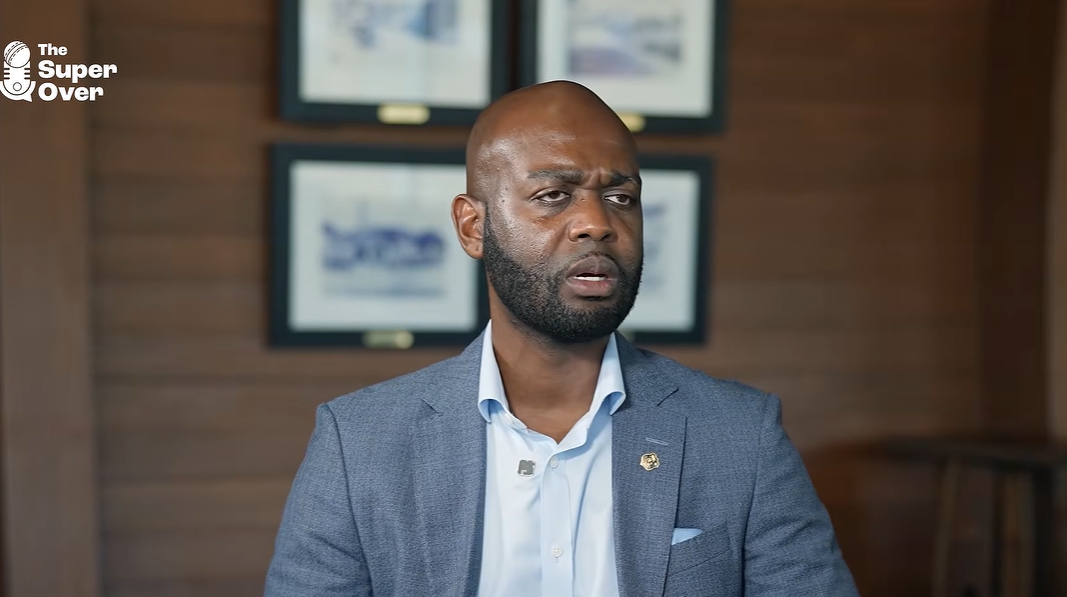
In a recent two-part interview released October 8 on the *Super Over Podcast* alongside hosts Nikhil Uttamchandani and Carlos Brathwaite, Cricket West Indies (CWI) President Dr. Kishore Shallow has publicly explained the reasoning behind the organization’s recent financial cuts to regional cricket tournaments.
The comments come on the heels of CWI’s decision to restructure the 2026 regional first-class season, scheduled to run from April 12 to May 17, into a compact three-match series-based format, a move that represents a significant scaling back of the traditional red-ball competition.
During the wide-ranging conversation, Dr. Shallow centered his argument on shifting global consumer demand for cricket, particularly the explosive growth of T20 and other white-ball formats compared to the longer traditional red-ball cricket. While he acknowledged that he and many long-time cricket purists still personally prefer the red-ball game, he emphasized that CWI’s investment strategy must align with current market appetite.
“If you are in a market then you have to look at what your consumers want. If you see that the appetite is greater for white ball, it is irresponsible for you to continue investing the majority of your resources in the product that the consumers don’t want,” he argued.
Dr. Shallow also outlined a major shift in CWI’s approach to player development, moving away from the rigid stance of previous administrations that required players to compete across all formats if they wanted to represent the West Indies. He described the old approach as “hostile,” and instead supports a “different strokes for different folks” framework that allows players to specialize in specific formats to maximize their opportunities.
Drawing a parallel to professional careers outside of sport, he noted: “We don’t tell our children not to specialise as a doctor and not to specialise in law. So why are we trying to force players into playing everything?”
This player-centric approach was a core factor in the recruitment of Daren Sammy to CWI’s leadership, Dr. Shallow explained, noting that Sammy’s deep understanding of both international cricket and the global franchise T20 model allows him to build trust with players by guaranteeing them flexibility to participate in both West Indies cricket and lucrative franchise leagues. Dr. Shallow stated that this collaborative strategy has already delivered positive results.
The CWI president also addressed the recent surprise retirement of former West Indies captain Nicholas Pooran from international cricket, who stepped away at 29, the peak of his professional career. Dr. Shallow noted that while he had hoped Pooran would remain committed to the West Indies team, the decision did not come as a surprise. He stressed that Pooran’s retirement is part of a broader trend, noting “he wasn’t the first, [and] he’s not going to be the last,” and acknowledged that professional cricketers have short careers and must prioritize maximizing their earning potential to set themselves up for secure post-playing retirements.