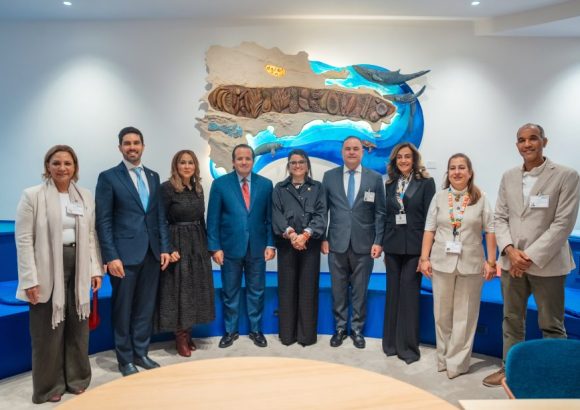
Against the backdrop of growing global pressure to end hunger and strengthen food system resilience, senior officials from the Dominican Republic and Ecuador have held a high-stakes bilateral meeting on the sidelines of the 2026 World Food Forum in Rome to advance shared goals of food security and zero hunger.
The discussion brought together José Ignacio Paliza, Dominican Minister of the Presidency, and María José Pinto, Vice President of Ecuador, for a wide-ranging conversation focused on mutual learning and cross-national collaboration. Pinto opened the talks by outlining Ecuador’s interest in learning from the Dominican Republic’s targeted initiatives to cut poverty and reduce food insecurity, singling out the Caribbean nation’s robust social protection framework as a particularly notable model for replication.
Members of the Ecuadorian delegation specifically highlighted three standout Dominican programs that have drawn international attention: the Single System of Beneficiaries (SIUBEN), a centralized beneficiary identification platform that streamlines social aid distribution; the national network of State Economic Dining Halls, which provides affordable, nutritious meals to low-income communities; and Supérate, a direct cash transfer program designed to lift vulnerable households out of poverty.
In response to Ecuador’s request for knowledge sharing, Paliza extended a formal commitment to open the Dominican Republic’s experience and technical expertise to Ecuador through a structured South-South cooperation agenda. The two sides reached a concrete agreement to task their respective ambassadors to the Food and Agriculture Organization (FAO) with developing a detailed cooperation roadmap that will outline priority collaboration areas, structured technical exchange opportunities, and joint action initiatives to advance shared objectives.
Beyond food security and social protection, the meeting also covered complementary policy areas where both nations can exchange insights. Participants discussed Ecuador’s progress in rolling out agricultural harvesting mechanization, a shift that has boosted the country’s agricultural productivity and reduced post-harvest food loss. Talks also touched on two pressing social issues: policy frameworks to address teenage pregnancy and evidence-based strategies for early childhood care, both of which have long-term impacts on national development and food security outcomes.
At the conclusion of the meeting, both delegations reaffirmed their shared commitment to deepening bilateral ties. The overarching goals of the emerging partnership are to strengthen national social protection systems, cut systemic poverty, and build more effective, evidence-based policy responses to end hunger in both nations, aligned with global Sustainable Development Goal 2 targets.