Barbados has marked a major step forward in youth-centered mental health advocacy after two Harrison College students claimed top honors in the country’s first national secondary school mental health essay competition, with the island’s Psychiatric Hospital confirming it is actively reviewing the pair’s actionable proposals to roll out improvements to national mental health services next year.
Hosted by the Psychiatric Hospital’s Suicide Prevention Action Plan Committee in partnership with the Thrift Club of Barbados Public Workers’ Co-operative Credit Union Limited (BPWCCUL), the competition was launched under the overarching theme “Change the Narrative: Start the Conversation”, designed to solicit fresh, youth-led ideas ahead of October’s annual Mental Health Month. Participants from across the island’s secondary schools were tasked with outlining concrete reforms to strengthen Barbados’ mental health support system. Weiyang Sue took home first prize in the junior division, while Rashauna Clarke secured the top spot in the senior category.
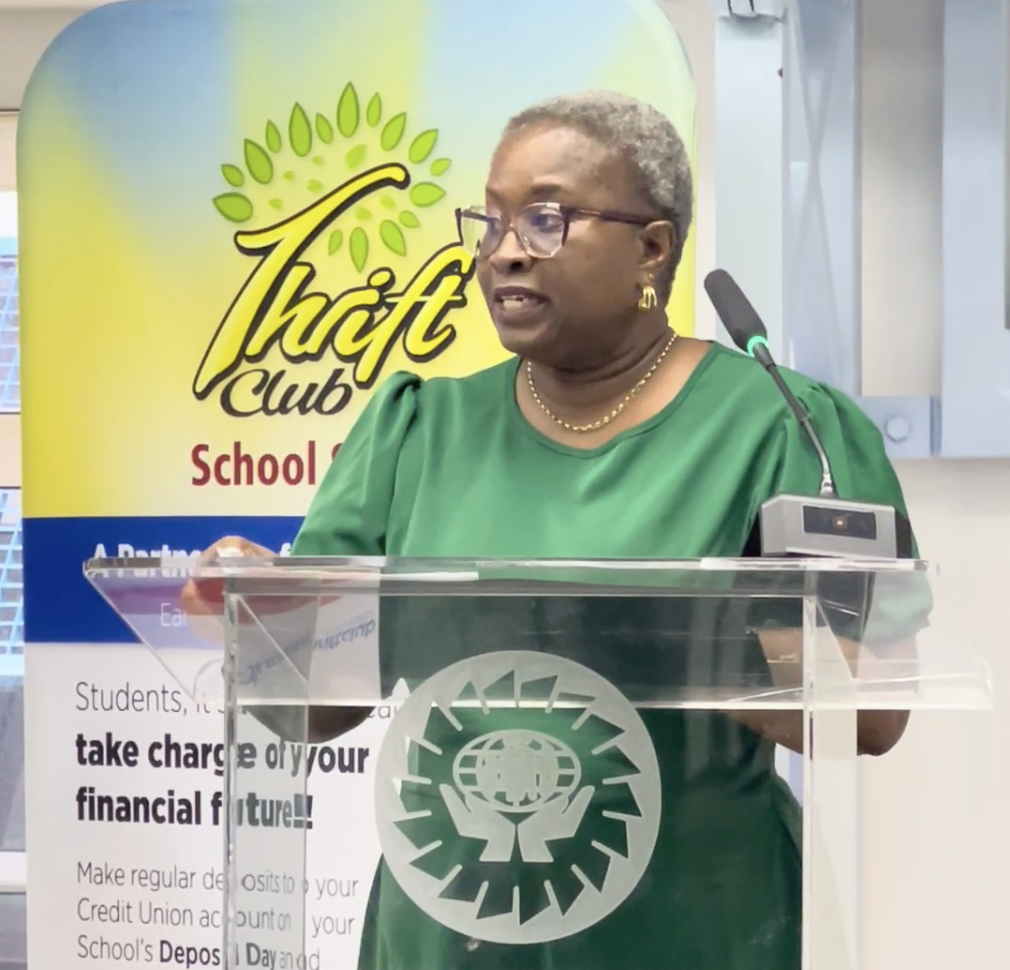
At the official prize-giving ceremony held Monday at BPWCCUL’s Belmont Road headquarters, Psychiatric Hospital Director Andrea Wharton-Boyce emphasized that high-quality mental health care cannot be confined to hospital walls, stressing the urgent need to expand accessible community-based support. She noted that Barbados has already shifted toward this decentralized model, with basic mental health services now offered through public polyclinics and satellite outreach clinics across the island.
Sue’s winning essay centered on shifting harmful social narratives around mental health, particularly the pervasive gendered pressure on boys and young men to “man up” and the persistent myth that crying or expressing vulnerability equals weakness. Among his key proposals are programs to train student volunteers as peer listeners, who can connect struggling classmates to professional mental health care; intergenerational initiatives that pair students with socially isolated elderly adults to reduce loneliness on both sides; and targeted training for religious leaders to help them spot signs of mental distress among their congregations and refer members for professional support.
Clarke, the senior category winner, took a research-driven approach to her essay, putting forward a three-pronged strategy focused on eliminating deep-rooted cultural stigma around mental illness, overhauling outdated institutional support infrastructure, and expanding community access to mental health services. She centered her work on the stigma that discourages young people from opening up about their struggles or seeking counseling, and shared that she hopes to see her ideas put into practice in the near future.
Wharton-Boyce echoed the students’ calls to challenge stigma, encouraging young people to normalize open conversations about common struggles including anxiety, depression, grief, bullying, and chronic loneliness. She tied this work to the hospital’s ongoing “Check My Bias” anti-stigma campaign, advising the public: “Check the bias before we judge, before we label, before we dismiss.” She also emphasized that suicide prevention is a core national priority, urging young people to listen to friends experiencing crisis and connect them to trusted adults or professional mental health providers.
Dr. Joy Sue, one of the lead organizers of the competition, explained that the contest was developed as a core implementation step for the national Suicide Prevention Action Plan, recognizing that young people are both a key vulnerable group and a vital source of new insight for mental health reform. In total, organizers received 36 submissions from secondary schools across the country, which went through a two-stage judging process. Judges evaluated entries based on contestants’ understanding of Barbados’ current mental health landscape, as well as the feasibility and innovation of their proposed improvements.
Dr. Sue noted a unifying thread across all submissions: every entry called for mandatory, integrated mental health education in schools and a nationwide public anti-stigma campaign. A large majority of contestants also pushed for greater integration of mental health services into primary care to reduce barriers to access for underserved communities. Following the overwhelming success of the inaugural competition, Dr. Sue confirmed that organizers are strongly considering making the contest an annual event, and implementation of winning proposals will begin next year in collaboration with the Ministry of Education Transformation.
Maisha Emmanuel, Chair of the National Mental Health Commission, highlighted that young people must be direct, active participants in all conversations shaping national mental health policy. She noted that young people are far more likely to open up to their peers than to authority figures, and has extended an invitation to the contest winners to join the commission’s public communication strategy, with opportunities to share their perspectives across radio, television, and social media platforms.
Other top finishers included Karya Greaves of Queen’s College (second place, junior) and Joshua Franklin of Harrison College (third place, junior); in the senior category, former St Michael School student Melanie Phillips took second, while Trishad Whitehall of Daryll Jordan Secondary School claimed third. A special recognition award was granted to Olivia Dean for her submission, which shared intimate details of her own personal mental health journey.
Ryan Lewis, Senior Nursing Officer and Mental Health Coordinator, noted that Dean’s willingness to share her story aligns perfectly with the hospital’s “Stories of Stigma” initiative, which invites people to share lived experiences to break down systemic barriers to care. He celebrated Dean’s contribution, noting that “one courageous conversation” can be the starting point for meaningful, nationwide change.