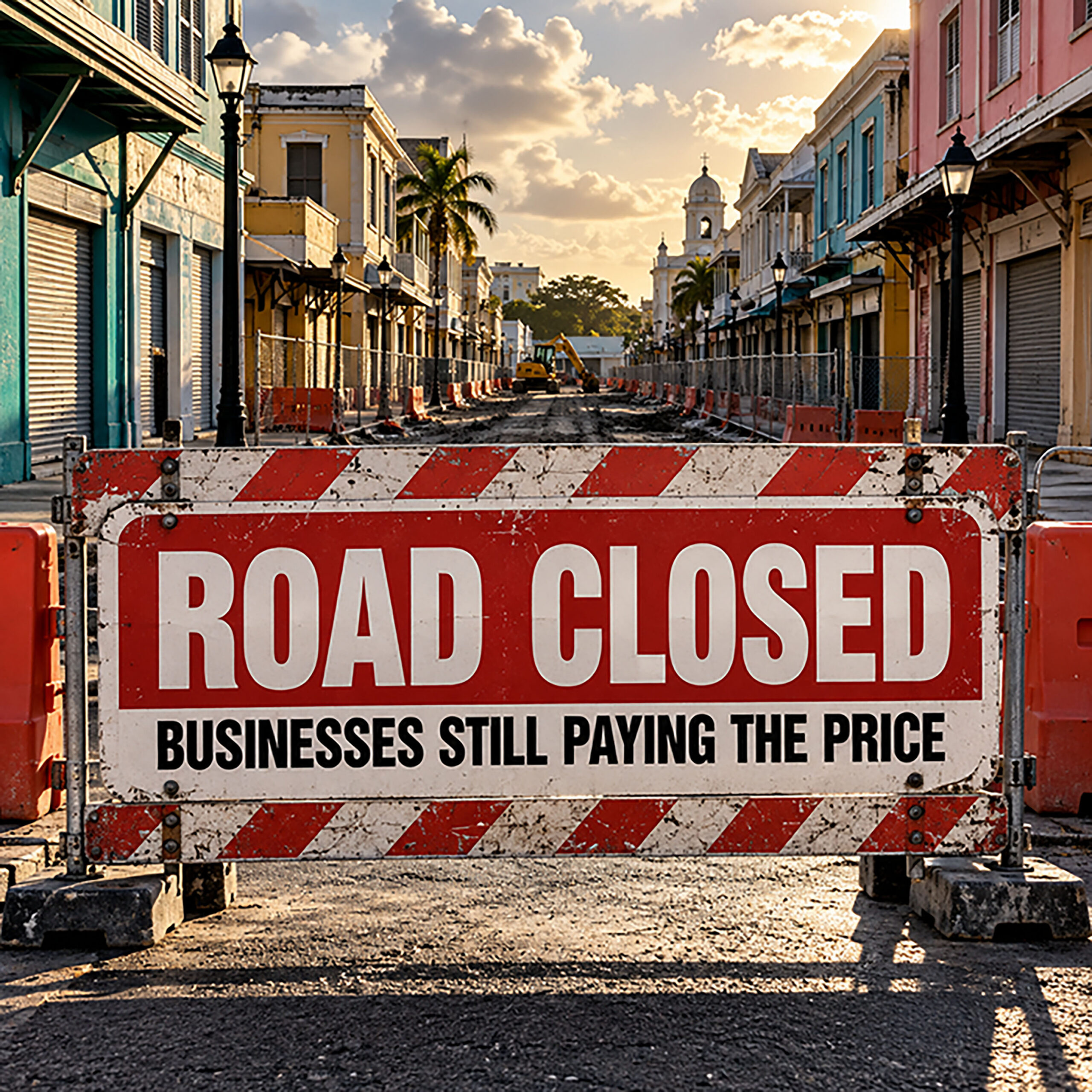
For months, residents living along and around Cross Street have been grappling with a growing list of unaddressed concerns that directly impact their daily lives. From crumbling sidewalks that pose tripping hazards for elderly pedestrians and parents pushing strollers, to persistent traffic congestion that extends morning and evening commute times by more than 20 minutes on average, the street’s problems have gone from minor inconveniences to major community headaches. What has been most notably absent throughout this entire period, however, is the open, constructive cross talk between local residents, city transportation officials, and business owners that could have turned frustration into actionable solutions.
Many long-time neighborhood locals say they have reached out repeatedly to city hall to request a public town hall focused specifically on Cross Street’s challenges, but their calls have gone unanswered. Small business owners operating along the corridor, who rely on easy pedestrian and vehicle access to draw customers, have also voiced concerns that declining infrastructure and growing gridlock are cutting into their monthly revenue. Without a structured space for all stakeholders to share their perspectives, brainstorm compromises, and align on next steps, tensions have slowly risen in the community. Residents feel ignored by decision-makers, while officials remain unclear on the severity of on-the-ground problems.
Community organizers note that open dialogue is the foundation of effective local problem-solving. When different groups with competing priorities – from residents prioritizing pedestrian safety to business owners prioritizing parking access – can sit down together, they often craft solutions that work for everyone. In the case of Cross Street, this missing conversation has allowed small issues to fester into larger conflicts, delaying necessary repairs and policy adjustments that could improve the street for everyone who uses it. Many community members still hold out hope that city officials will schedule a public meeting in the coming weeks, finally creating the space for the productive cross talk that Cross Street has needed for so long.