After years of incremental progress cutting through the massive criminal case backlog that accumulated during the COVID-19 pandemic, Grenada’s justice system has hit an unexpected hurdle: the scheduled start of the September Assizes has been delayed indefinitely due to ongoing, unresolved air conditioning failures at the temporary St George’s High Court, located in the CLICO building.
The September session was originally set to open Tuesday with 85 criminal cases on the docket. All four High Court courtrooms are affected by the disruption – the two assigned to criminal matters and the two that handle civil litigation. With infrastructure repairs still incomplete, officials have not announced a new resumption date, and all 85 pending criminal cases will remain on hold until the cooling system is fully repaired and a revised hearing schedule can be published.
This interruption arrives at a pivotal moment for Grenada’s criminal justice system. New data from the Office of the Director of Public Prosecutions (DPP) confirms that the total volume of cases coming before each Assizes session has been steadily dropping from the record highs seen at the height of pandemic-related backlogs, a trend that marked clear progress for the system.
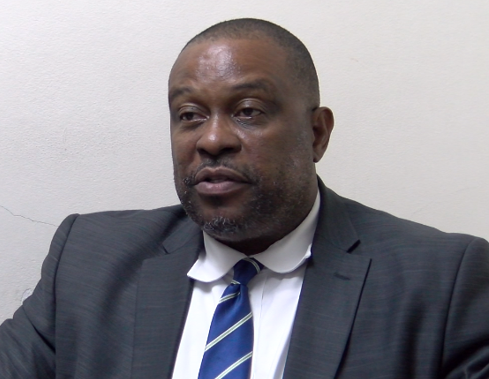
Acting DPP Howard Pinnock noted that the drop in overall caseload has been consistent since the pandemic-era backlog peaked. Shifts in the composition of the September docket further illustrate this trend: the proportion of sexual offence cases on the docket has fallen significantly over the past two years, from 42% of all matters in the 2025 January and April Assizes, to 32% in this year’s January session, 35% in April, and just 23% of the 85 pending September cases. Officials emphasize this shift reflects a change in the makeup of the trial docket, not a definite drop in the overall number of reported sexual offences.
For the current September session, homicides make up the single largest category of cases at 28%, followed by sexual offences at 23%, harm offences at 22%, and property offences at 16%. DPP data also shows that the justice system has already completed 83 matters in 2025, and an additional 53 cases during this year’s January and April sittings, marking consistent headway against the backlog before this latest delay.
Veteran criminal defence attorney Arley Gill has raised sharp questions about the delayed repairs, warning that the postponement puts the hard-won progress in backlog reduction at risk. Gill noted that the 6-week summer court break that ended in July provided officials more than enough time to address the already-reported cooling system issues before the September session was scheduled to begin. “Before the court was closed in July, there were issues with the facility housing the civil courts… so that ought to have been addressed,” Gill argued.
While the postponement halts all planned Assizes proceedings, not all High Court operations have been suspended. Matters overseen by the Master of the High Court are continuing remotely, and parties can still file urgent applications – including requests for bail and injunctive relief – with the court. Still, 85 criminal defendants, victims, and legal teams are left waiting for a new trial date, with no clear timeline for when infrastructure repairs will be finished.
For a justice system that has centered its post-pandemic work on clearing backlogs and improving access to trials, the latest disruption raises a larger, long-term question: beyond the sheer number of pending cases, does Grenada’s court system have the reliable physical infrastructure needed to sustain progress and keep justice moving forward when cases are ready to be heard?