As Barbados marks World Alzheimer’s Month alongside countries across the globe, the Barbados Alzheimer’s Association has shone a spotlight on stark global inequities in dementia care, revealing that women account for two out of every three primary unpaid dementia caregivers worldwide, while unpaid informal care makes up nearly half of the condition’s total annual global economic cost.
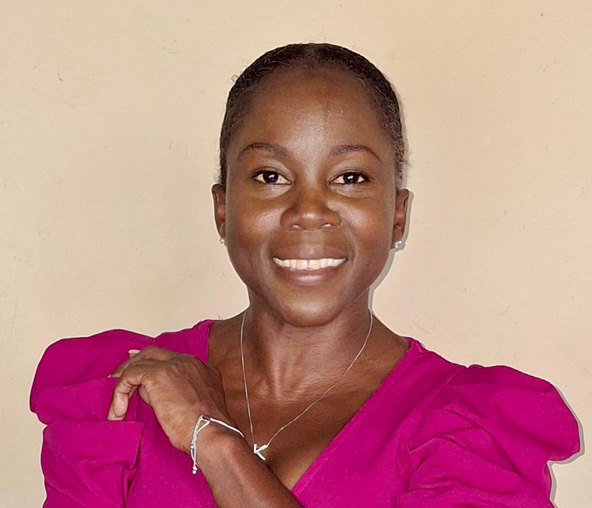
Advocate and attorney Kimberley Benjamin, a leading voice for dementia care rights in the country, told local outlet Barbados TODAY that both people living with dementia and their care partners face systemic neglect, particularly when it comes to formal recognition of their fundamental rights. Benjamin pointed to a groundbreaking 2025 ruling from the Inter-American Court of Human Rights – Advisory Opinion AO 31/25 – that for the first time formally enshrines the right to care as a universal human right, establishing a clear framework for state obligations to support caregivers and care recipients alike.
The landmark court decision outlines three core interconnected dimensions of the right to care. First, it guarantees the right to be cared for: people with ongoing care needs are entitled to high-quality, dignified, individualized care that upholds their autonomy, privacy, and fundamental human rights. Second, it protects the right to care for others, requiring that both paid and unpaid caregivers are able to perform their work in safe, fair conditions, free from discrimination, with guaranteed access to health care, labor protections, and social safety nets. Third, it codifies the right to self-care, acknowledging that both caregivers and those receiving care require dedicated time, space, and resources to prioritize their own physical, mental, and emotional well-being.
Beyond these three pillars, the court reclassified care work as a protected form of labor, outlining binding obligations for governments to proactively support both care recipients and unpaid care givers. Benjamin emphasized that the ruling requires states to do more than just avoid violating care rights; they must actively put in place the legal frameworks, policies, and institutional infrastructure needed to guarantee the right to care and be cared for for all people, with targeted enhanced protections for groups with high care needs and the large community of unpaid informal caregivers.
This ruling holds particular weight for the dementia community, Benjamin explained. As dementia progresses, care needs become increasingly intensive, placing disproportionate strain on unpaid family caregivers, who often balance care responsibilities with full-time work and household duties. While Benjamin acknowledged that Barbados has made measurable progress expanding home support and day care services through the Ministry of People Empowerment and Elder Affairs’ Social Empowerment Agency, she added that national policy still has significant gaps to address to build a truly inclusive environment for both people living with dementia and their caregivers.
Kaila Branch, an executive member of the Barbados Alzheimer’s Association, expanded on the economic and social toll of uncompensated dementia care. She noted that the total annual global economic cost of dementia already reaches $1.3 trillion, with roughly half of that cost tied directly to unpaid informal care – a burden that falls disproportionately on women. Citing data from Alzheimer’s Disease International, Branch explained that most women primary caregivers are still of working age, forcing them to juggle intensive dementia care with managing households, raising children, and maintaining paid employment. This constant balancing act often leaves caregivers facing social isolation, severe financial strain, and deteriorating personal health.
Branch stressed that caregivers have the same right to support and well-being as the people they care for, and that systemic support programs are critical to protecting caregivers’ health while they help their loved ones. “We speak a lot not only to the right to care, but the right to be cared for,” she said, noting that the association currently operates a confidential caregiver support group to connect overburdened caregivers with resources, advice, and community. Confidential, accessible support networks make a tangible difference, Branch added: proactive preparation and ongoing support can help families move from feelings of overwhelm and grief toward confidence and empowerment.
This year’s World Alzheimer’s Day, which falls on Monday, centers on the theme “The earlier you know, the more you can do: A dementia diagnosis matters”, underscoring the importance of early detection and proactive care planning for improving outcomes for patients and caregivers alike.