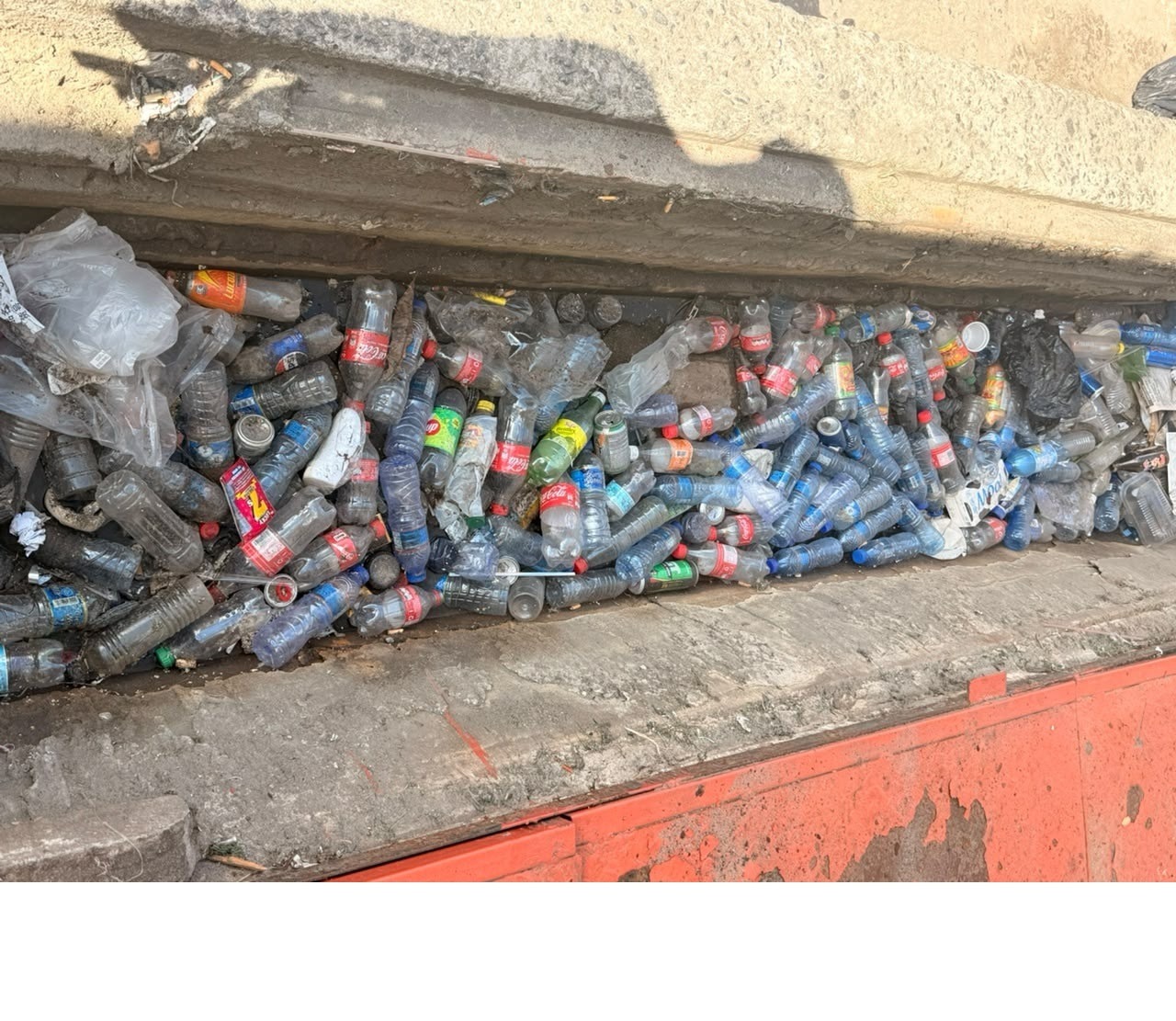
On September 20, 2026, the Georgetown City Council announced a sweeping new enforcement campaign to end rampant illegal littering and unauthorised waste dumping that has left the Guyanese capital’s drainage system chronically clogged and dysfunctional.
During a regular statutory council meeting, Mayor Alfred Mentore issued a formal directive ordering the city’s police unit to develop a targeted enforcement strategy to hold repeat and first-time violators accountable. To strengthen the crackdown, the city administration will formally request the Guyana Police Force to share footage from its network of surveillance cameras to identify offenders breaking local litter laws. The push for CCTV access originated from a proposal put forward by People’s Progressive Party Civic (PPPC) councillor Alfonso De Armas, who argued that expanded camera monitoring would be a critical tool to curb indiscriminate waste disposal across the capital.
Mayor Mentore outlined harsh, unprecedented penalties for anyone caught violating waste regulations: offenders will be publicly identified via photographs paired with booking boards listing their names and specific offences, which will be published to name and shame violators. “Fine them, book them like a criminal… and take them out and lock them up, charge them at our level and send them through the court system and deal with it; this thing has to stop,” Mentore stressed. The new policy will also hold third parties accountable: any individual who hires or directs others to dump waste illegally will face prosecution, and vendors found complicit in arranging unauthorised disposal will have their operating privileges revoked immediately. “If they continue doing this, they will feel the wrath of the law,” the mayor added.
Mentore also called on acting Chief Constable Marston McInroy to immediately deploy a dedicated enforcement team to target dumpers operating on public streets, roadside drains and urban parapets. The mayor used the meeting to directly address widespread public allegations that city police have been accepting bribes from offenders in exchange for avoiding arrest and prosecution, demanding an immediate end to the practice. “I’m asking you Mr Chief Constabulary to address this matter, to find ways internally on how we will go about dealing with this thing rather than behave as if we’re shaking down people. Let the ‘shake down people’ get some people locked up. I don’t want to hear about shaking down anymore,” Mentore said.
A proposal from Walter Narine, head of the city’s solid waste management department, to offer financial incentives to whistleblowers – rewarding informants with a percentage of fines collected from convicted offenders – was deferred until the city can complete an assessment of the newly announced enforcement measures.
The aggressive new policy comes amid a long-simmering public health and infrastructure crisis in Georgetown, where dozens of urban drains – including some located steps away from City Hall itself – are completely blocked by plastic waste, discarded debris and abandoned infrastructure. For months, the main drain outside the National Library on Church Street has remained blocked by a fallen disused traffic light control box, while another large abandoned traffic light base sits clogging a drain at the intersection of Avenue of the Republic and Robb Street.
While limited drain cleaning operations are currently underway across the city, long-term maintenance remains non-existent, with many newly cleared drains already filling back up with silt. Clogged, foul-smelling drains that regularly overflow during rain are now a persistent issue near multiple branches of major American fast food franchises in the capital. The crisis also underscores unfulfilled past promises: more than a year ago, Mayor Mentore pledged comprehensive drainage fixes during a tour of the Plaisance bus park, but the area still faces recurring flooding after every heavy downpour with no improvements made.