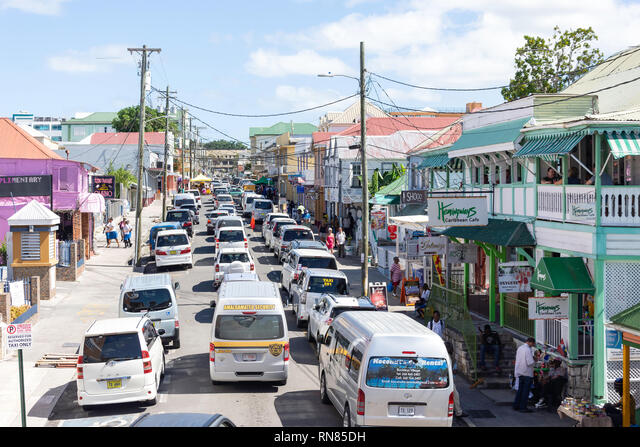
In the twin-island nation of Antigua and Barbuda, worsening traffic gridlock has pushed the national government to launch a comprehensive cross-agency planning initiative to rework the country’s strained road network, Prime Minister Gaston Browne has confirmed. The planning process, which is already underway, requires coordinated collaboration between four key entities: the police Traffic Department, the Ministry of Public Works, the Development Control Authority, and the Ministry of Social and Urban Transformation. A multidisciplinary approach is non-negotiable, Browne emphasized during his regular weekly broadcast, as the complex issue of traffic congestion cannot be resolved by law enforcement alone, nor through piecemeal, uncoordinated adjustments to road infrastructure. The push for a formal solution followed public input from a radio listener, who drew attention to the unprecedented strain placed on Antigua’s roads by a rapidly growing vehicle fleet: an estimated 50,000 cars and trucks currently operate across the island, far exceeding the capacity of the original road design. The listener put forward two key proposals to improve flow: convert select roads to two-lane one-way corridors, and build expanded roundabouts at the most heavily trafficked intersections. One high-priority site highlighted was the busy junction of All Saints Road and American Road, where the listener argued existing unused space could be repurposed to accommodate a large, two-lane roundabout that would cut down on intersection delays. Browne confirmed that all public suggestions, including these, will be formally evaluated and considered for inclusion in the government’s overarching strategy. Police authorities have already submitted their own set of traffic management recommendations to the planning working group, the prime minister added, and the government is also open to recruiting international expertise from overseas traffic management and urban planning specialists to inform the final plan. As of now, however, no details have been released about which specific roads are under consideration for one-way conversion, whether any new roundabouts have received formal approval, or what the official timeline will be for completing the plan, opening public comment periods, or rolling out approved infrastructure changes. Traffic congestion has become one of the most visible daily disruptions for Antiguan commuters, with particularly severe delays recorded during morning and evening rush hours on major routes leading into and out of the capital, St. John’s. The surge in vehicle registrations over recent years has stretched existing infrastructure far beyond its original design capacity, creating chronic bottlenecks at intersections, increasing demand for limited parking, and accelerating wear on under-sized roadways. Browne reaffirmed that the government will conduct a full review of all submitted proposals to deliver a coordinated, long-term solution that addresses the current strain on the country’s transportation network.
Government Developing Comprehensive Plan to Address Antigua’s Traffic Congestion