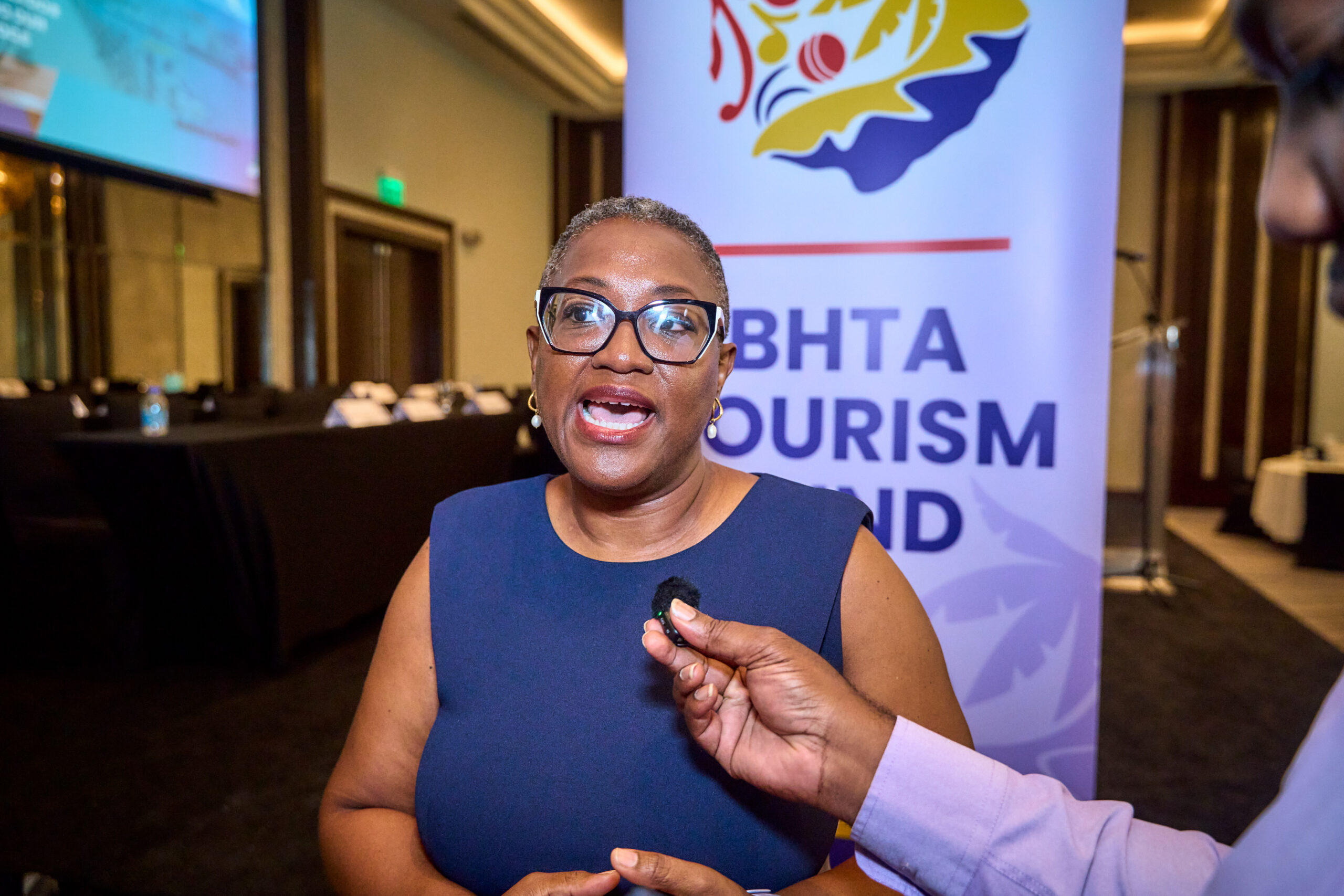
Barbados’ tourism industry stands at a pivotal crossroads, as the head of the island nation’s leading hospitality industry body pushes for a fundamental rethinking of how the sector measures success. Kelly-Ann Payne, Chairman of the Barbados Hotel and Tourism Association (BHTA), is urging the country’s top tourism stakeholders to move beyond the longstanding metric of counting arriving visitor numbers, and instead prioritize quantifying the tangible value that tourism delivers to local communities and the broader Barbadian economy.
Despite facing cutthroat global competition in the international leisure and travel space, Payne acknowledged that Barbados has made solid progress in expanding and diversifying its source markets for international visitors. In the first half of 2026, arrivals from Canada jumped 13.7% year-over-year, while visitor numbers from European markets grew an even stronger 20%, signaling that the island’s diversification strategy is gaining traction.
Even with these positive volume gains, Payne argues that the next era of the industry, which she has labeled Tourism 3.0, must center on delivering shared, long-term benefits to Barbadian citizens rather than chasing ever-increasing visitor counts. “The future of tourism cannot be measured solely by growth in visitor numbers. The future must be measured by growth in value,” Payne stated, emphasizing that deeper integration between tourism and other key domestic sectors—including local agriculture, manufacturing, and the creative economy—will be critical to unlocking that broader value. Stronger cross-sector links would keep more tourism revenue within Barbados, supporting small local businesses and reducing reliance on imported goods and services for the hospitality industry.
Payne shared these remarks during the BHTA’s most recent third quarterly general meeting, where she also highlighted positive developments in air access to the island. Grantley Adams International Airport, Barbados’ primary international gateway, is projected to have over 1.6 million incoming air seats available to passengers by August 2027. Flagship UK carrier British Airways alone is set to increase its capacity to the island by more than 71%, a boost that will open the door to more visitors from key European markets. That said, Payne warned that translating expanded air access into sustainable, widespread economic gains depends on strategic investment in the sector’s workforce.
“Tourism cannot thrive without talent and talent cannot thrive without opportunity,” Payne said, calling on industry leaders and policymakers to adopt data-driven, evidence-based workforce planning to tackle persistent recruitment and employee retention challenges that have plagued the Barbadian tourism sector in recent years.
In other updates from the meeting, Payne celebrated a recent milestone: the signing of a new Memorandum of Agreement with the Barbados Workers’ Union, which is expected to bring greater labor stability to the sector for both hotel employers and frontline workers. On the policy advocacy front, Payne reaffirmed the BHTA’s firm opposition to controversial pricing practices by online travel giant Booking.com, specifically the company’s policy of charging commissions on government-mandated taxes and statutory levies. The BHTA argues that these funds are rightfully public revenue owed to the Barbadian government, and do not qualify as part of hotel revenue that should be subject to third-party commission fees.