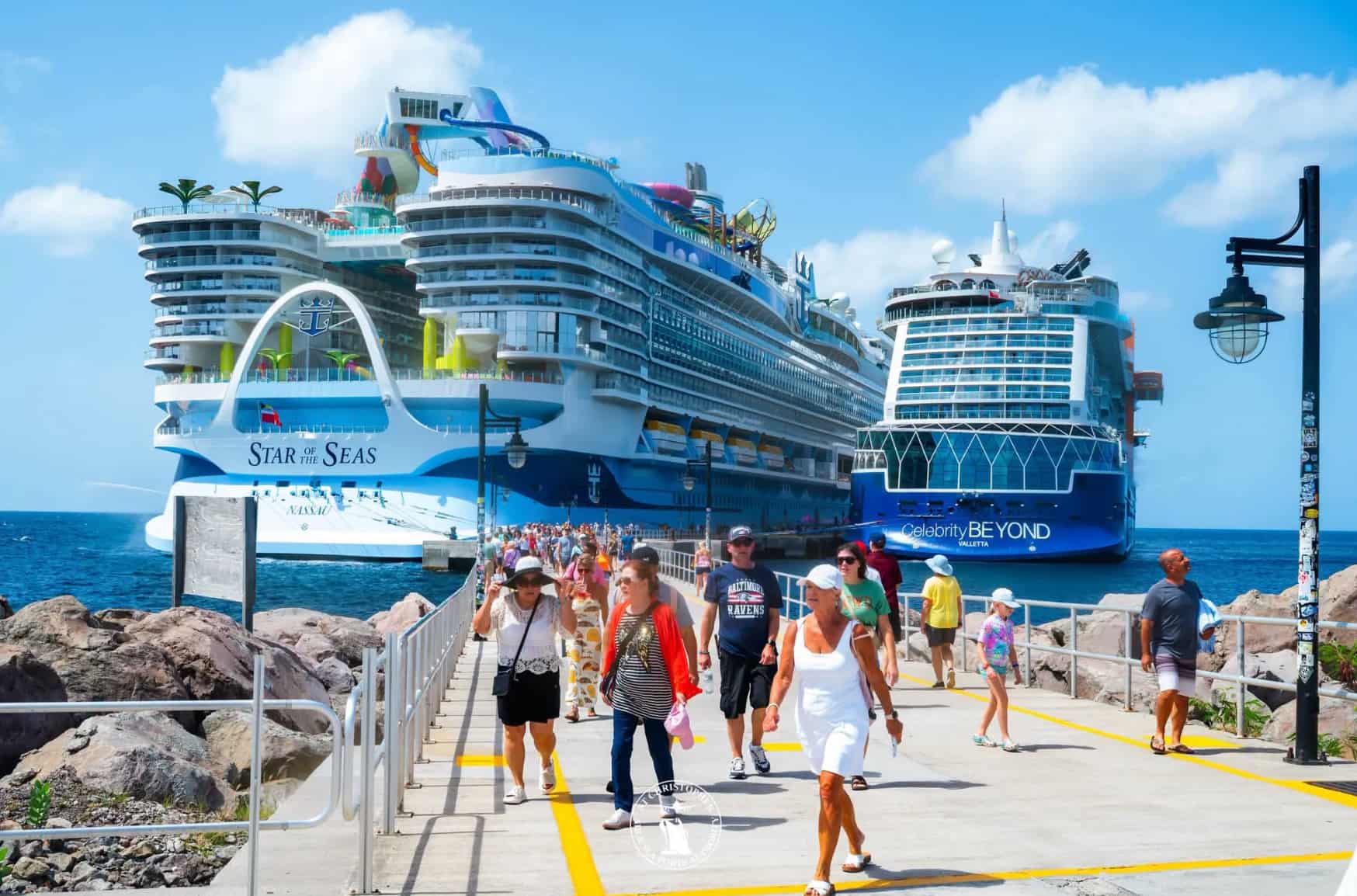
In a move that sets it apart from other Caribbean nations, the Labour government of St. Kitts and Nevis has formally turned down a $5 million infrastructure investment proposal from a UK-registered company owned by a Turkish businessman that would have handed over long-term operational and revenue control of the country’s critical port assets to the private firm.
According to informed sources familiar with the offer, the deal proposed sweeping concessions for the private investor: in exchange for funding to expand and upgrade the islands’ port infrastructure, the company demanded full operational authority, control over all port-generated revenue, and even a separate financial contribution to the ruling Labour Party. The agreement was structured as a 30-year initial contract with an option for a 10-year extension, locking in private control for up to four decades. Under the terms, the company would have collected a $10 fee for every passenger passing through the ports. With St. Kitts and Nevis drawing roughly 1 million tourist arrivals per year, this provision alone would have generated an estimated $10 million in annual revenue for the firm, adding up to $400 million over the full 40-year term of the agreement.
Rather than accept the upfront investment, the St. Kitts and Nevis administration rejected the proposal outright, emphasizing that the nation’s ports are irreplaceable public assets that belong to the people of the two-island nation. Government representatives made clear to the businessman and his company’s representative, Dr. Sean Matthew, that all port operations will remain permanently under public control, held by the government in trust for citizens.
What makes this decision notable is that the company has circulated identical proposals to multiple other Caribbean countries, sources confirm. Reports indicate that many of those nations accepted the offer, with allegations of widespread bribes being paid to public officials in exchange for ceding port control. To date, St. Kitts and Nevis stands as the only country to refuse the deal outright, declining any transfer of authority over its strategic infrastructure.
The rejection has thrown a spotlight on a growing regional debate across the Caribbean: balancing the need for private infrastructure investment with protection of national sovereignty over strategic public assets. While foreign direct investment can deliver much-needed capital to upgrade aging transportation and tourism infrastructure, governments across the region are increasingly grappling with the long-term risks of handing over control of revenue-generating, critical public assets to private foreign entities, a conversation that St. Kitts and Nevis’ decision has brought into sharper focus.