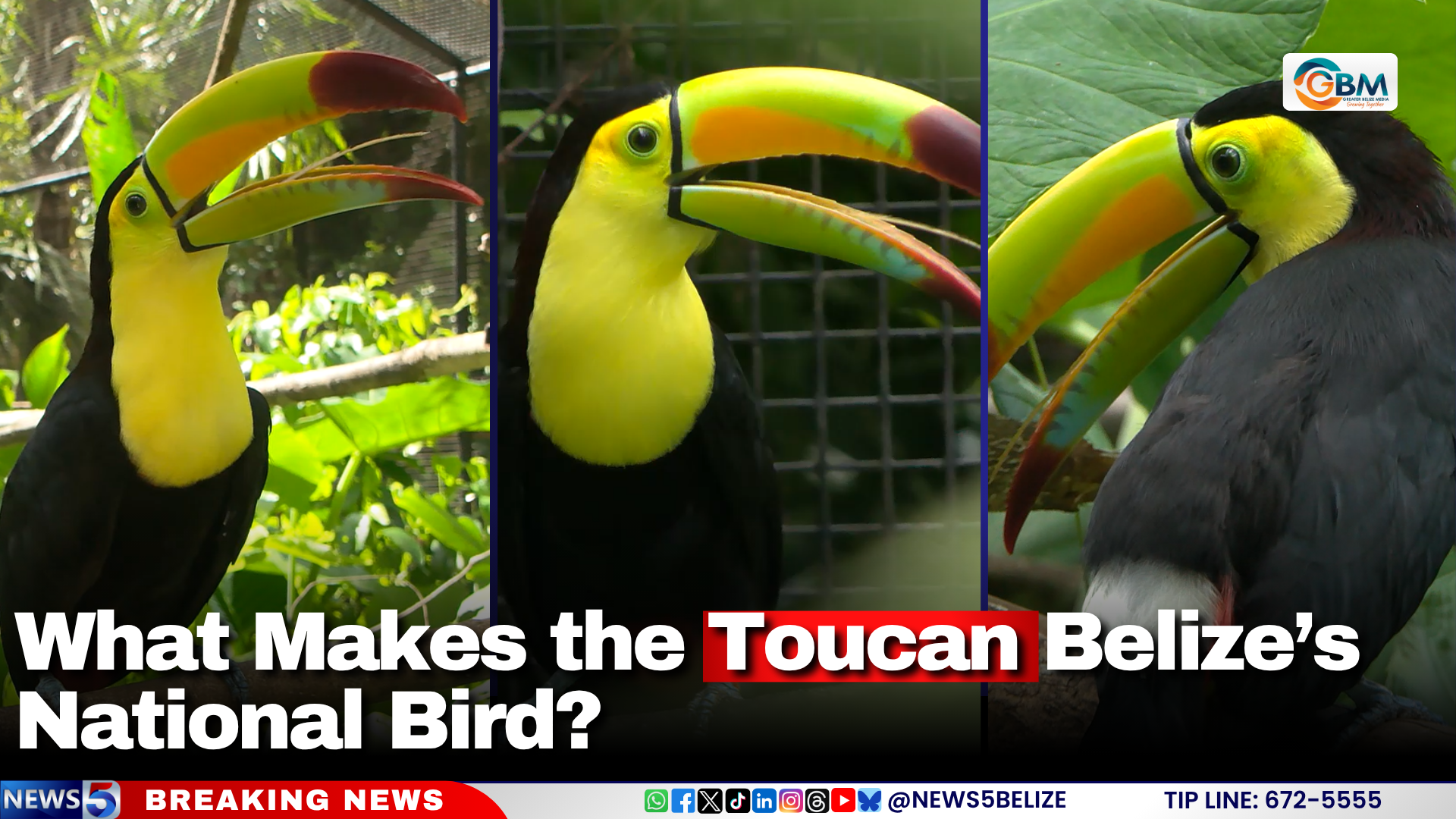
Forty-five years after Belize secured its independence, the small Central American nation’s choice of national bird remains one of its most meaningful and recognizable markers of cultural identity, rooted in the country’s deep connection to its rich tropical ecosystems.
When Belize formally broke away from British rule to become an independent state in 1981, national leaders and civic bodies faced a critical task: crafting a set of unifying national symbols that would reflect the new country’s unique character and natural heritage. Months of deliberation culminated in August 1981, just weeks before the official independence declaration, when the National Symbols Committee approved a finalized roster of national symbols—among them, the iconic Keel-Billed Toucan.
Distinguished by its oversized, multicolored bill and vivid plumage, the Keel-Billed Toucan is not a rare sight in Belize; the species thrives across nearly all of the country’s forested landscapes, from dense tropical rainforests to scattered woodlands. Its ubiquitous presence across Belize’s terrain made it a natural choice for a nation building its identity around the extraordinary biodiversity that defines its borders. Unlike rare or geographically restricted species, the toucan is a familiar figure for Belizeans across every region, a bird that generations of local communities have encountered in their daily lives.
Beyond its widespread habitat, the toucan’s striking visual appearance has made it a powerful ambassador for Belize globally. Its bold, vibrant colors mirror the diversity and vitality that the newly independent nation sought to project to the world, tying the country’s global image directly to its natural wealth.
Today, 45 years on from that pivotal decision in 1981, the Keel-Billed Toucan retains its status as a beloved core symbol of Belizean identity. It appears on national branding, tourism materials, and civic iconography, serving as a constant reminder that Belize’s national character is inextricably linked to the lush, living ecosystems that have shaped its history and its future.