A powerful natural climate event that shapes global weather patterns is set to strengthen dramatically in the coming months and hold its influence across the planet at least until February 2025, according to forecasts from the World Meteorological Organization (WMO). This event, known as El Niño, will reshape global rainfall and temperature distributions, driving far-reaching effects on ecosystems, food systems, and communities worldwide. To understand what this phenomenon means, we break down its origins, mechanics, projected impacts, and the hopeful outlook for preparedness.
El Niño is the warm phase of the El Niño-Southern Oscillation (ENSO), a naturally recurring climate cycle centered on the equatorial Pacific Ocean. Occurring every two to seven years, the event is defined by above-average sea surface temperatures across the central and eastern equatorial Pacific, paired with corresponding shifts in atmospheric conditions above the ocean.
The current El Niño draws much of its strength from already record-high ocean temperatures across the tropical Pacific, which lines the coasts of Ecuador, Colombia, and Peru on its Latin American margin. Forecasters project it will peak in intensity by the end of 2024, but its residual climate impacts will ripple through global weather systems well into 2025.
The ENSO cycle has two distinct extreme phases: the warm El Niño and the cool La Niña, differentiated by sea surface temperature anomalies in the equatorial Pacific. While an El Niño event typically lasts up to 18 months, La Niña events can extend for as long as three years. The name “El Niño”, meaning “the Little Boy” or “Christ Child” in Spanish, dates back centuries to regional sailors and fishermen along the Pacific coast of South America, who first noted that a unusually warm current would arrive around Christmas and reduce fish catches, leading them to name the phenomenon after the infant Jesus.
One of the most significant global effects of El Niño is its tendency to push up average global temperatures, with warming impacts often becoming fully visible a year after the event begins. For example, the 2023-2024 El Niño, combined with long-term human-caused climate change, pushed 2024 to become the warmest year ever recorded on Earth. This year, scientists have sounded particular alarm over extreme ocean warming linked to the current event: subsurface sea temperatures in key parts of the Pacific have jumped more than 8 degrees above the long-term average.
El Niño rewires rainfall patterns across every continent. It typically brings above-average rainfall and elevated flood risk to parts of South America, East Africa, and the southern United States. On the flip side, it drives severe drought across eastern and northern Australia, Indonesia, southern Africa, and much of southern Asia, while also suppressing hurricane formation in the Atlantic Ocean.
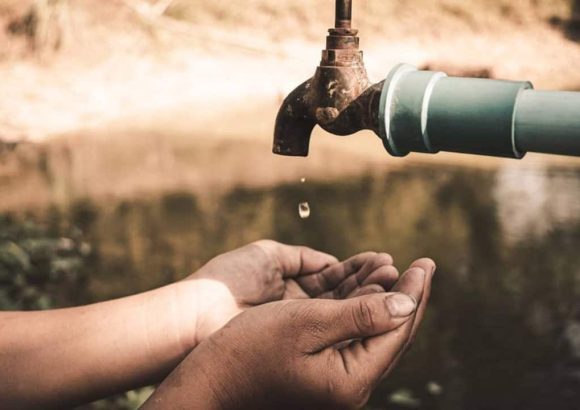
These climate shifts translate directly to tangible social and economic harms. The most widespread critical impact is reduced agricultural output, which erodes food access for vulnerable communities and pushes up food prices globally. In 2024, disrupted rainfall has already triggered devastating drought and water scarcity across parts of Central America, wiping out corn crops and threatening the livelihoods of thousands of small-scale farming families. In India, August monsoon rains fell far below seasonal averages, and forecasts point to continued dry conditions into September, putting additional strain on the country’s agricultural sector.
Despite the projected strong intensity of the 2024-2025 El Niño, WMO Secretary-General Celeste Saulo emphasized in a recent briefing that a strong event does not equal inevitable catastrophe. “It does not mean there is a 100% probability of a flood, a drought, or even a heat wave occurring in a particular country,” Saulo noted. Importantly, she added, the global community already holds the scientific knowledge and practical tools needed to prevent El Niño-related hazards from escalating into full-blown humanitarian crises.