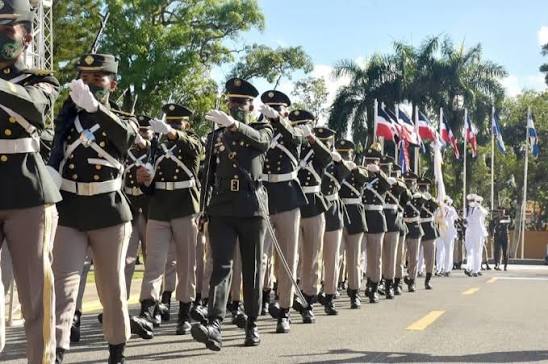
A controversial new piece of legislation put forward before the Dominican Republic’s Chamber of Deputies aims to reintroduce mandatory national military service for all adult citizens between the ages of 18 and 35, encompassing both men and women for the first time in the country’s modern policy framework. The bill was introduced by sitting Deputy Elías Wessin Chávez, who has laid out an extensive administrative structure to bring the program into force if approved. Under the proposal, a new centralized government body called the General Superintendency of Military Service would be created to manage every step of the process, from initial citizen registration and selection through to the delivery of training and the integration of completed service members into the country’s Armed Forces reserve corps. Unlike traditional mandatory military models that focus solely on combat readiness, the proposed program is structured as a hybrid initiative that combines rigorous basic military and physical training with formal civic education and accredited technical vocational instruction. Proponents of the bill argue that the program will deliver a wide range of social and national security benefits: it will foster a stronger culture of personal discipline and national patriotism among young Dominicans, drive down rates of youth delinquency by providing structured, productive activity for emerging adults, equip participants with marketable job skills that improve their long-term employment outcomes, and reinforce both the country’s national defense posture and domestic emergency response capacity. To address concerns about economic hardship for low-income participants, the legislation guarantees that all selected service members will receive compensation equal to at least the national minimum wage paid by the Dominican state, as well as full health coverage through the country’s popular subsidized Senasa public health insurance system. The bill also includes carve-outs to accommodate vulnerable and exempted groups, avoiding undue hardship for populations that cannot reasonably fulfill the service requirement. Exemptions and service deferrals are written into the legislation for mothers of minor children under the age of 18, individuals formally diagnosed as physically or mentally unfit for service, active members of the national Armed Forces and national police force, and a subset of Dominican citizens currently residing or pursuing full-time education outside the country. Even with these exemptions, the legislation includes strict enforcement mechanisms to ensure compliance from eligible citizens. Individuals who ignore a formal summons for military service would face temporary disqualification from holding any elected or appointed public office in the country. The proposal also includes a controversial provision that would allow the government to suspend all federal social assistance benefits for families that refuse to send their eligible children to complete the mandatory service requirement. If the bill passes both legislative chambers and is signed into law by the Dominican president, the executive branch would have a 180-day window following the formal promulgation of the law to draft and publish all the secondary regulations required to launch the new military service system, setting a clear timeline for implementation if the legislation is approved. The proposal has already sparked preliminary debate across Dominican political and civil society circles, with supporters framing it as a unifying national initiative and critics raising questions about the impact of mandatory service on young people pursuing higher education and private sector careers.
Bill proposes mandatory military service for Dominicans ages 18 to 35