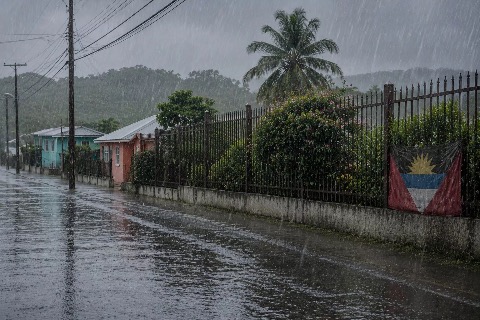
As the remains of Tropical Storm Dolly drifted across Antigua and Barbuda over the weekend, the twin-island nation recorded accumulated rainfall of up to two inches, bringing unexpected relief to an area grappling with persistent dry conditions. By the time the system reached the country, Dolly had already degraded from a named storm into a weaker tropical wave, avoiding the extreme hazardous weather that forecasters and local residents had initially braced for. While the downgraded system did not trigger catastrophic conditions, it still delivered repeated rounds of steady to intense downpours across the islands. Though these rains interrupted routine weekend life – forcing organizers to cancel or delay religious gatherings, athletic tournaments, and public entertainment events – the precipitation has been widely welcomed at a time when growing anxiety over drought and declining water reserves has dominated local conversations. In anticipation of potential runoff, local authorities kept a flash flood warning active through midday Sunday, but the anticipated extreme flooding never materialized. As of Monday morning, there have been no immediate reports of large-scale flooding, widespread infrastructure damage, or severe weather-related accidents or injuries across the nation. According to the Antigua and Barbuda Meteorological Service, the tropical wave that carried Dolly’s remnants has now fully departed the Leeward Islands archipelago, though residual moisture trapped in the atmosphere will likely keep scattered showers in the forecast through the start of the workweek on Monday. This weather event comes as the Atlantic basin enters its historically most active period for hurricane and tropical storm development, the climatological peak of hurricane season that runs from mid-August through late October. In the wake of Dolly’s passage, local emergency management officials have renewed calls for all residents to maintain their hurricane preparedness plans, stock essential supplies, and closely monitor official updates from national meteorological authorities as the season progresses.
Antigua and Barbuda Gets Up to Two Inches of Rain From Dolly’s Remnants