Just as Colombian emergency teams and international humanitarian partners ramp up post-disaster reconstruction after a devastating major earthquake, the South American nation has been hit by a new seismic shock, complicating already strained recovery operations.
The 5.1-magnitude tremor struck early on the morning of August 26, with shaking felt across multiple regions of the country – including Bogotá, the capital. This new seismic event comes as recovery work is still ongoing in the areas that bore the brunt of the earlier devastating quake.
As of the latest update from United Nations humanitarian officials, nearly 50,000 people across 25 of the hardest-hit Colombian municipalities have already received life-saving support. The relief distributed so far includes critical supplies: clean drinking water, water storage units, temporary public sanitation infrastructure, and personal hygiene kits tailored for both adult and child survivors.
Official data from Colombian national authorities puts the scale of the initial disaster at overwhelming levels: approximately 325,000 people across the country have been impacted by the first earthquake, with more than 31,000 residential structures completely destroyed. Thousands of additional critical public assets, including schools, healthcare clinics, and other key infrastructure, have also sustained heavy damage or been reduced to rubble.
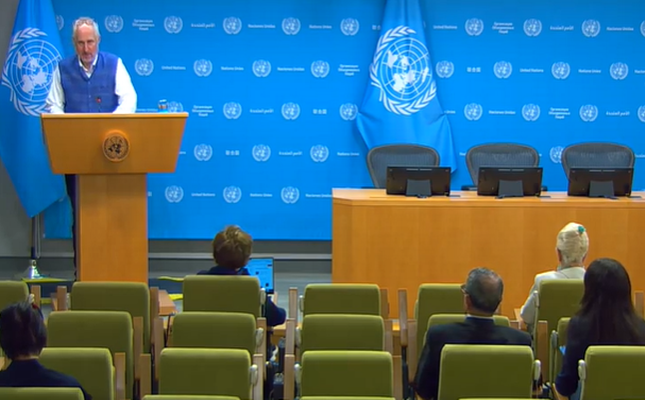
During a recent press briefing at UN Headquarters in New York, Stéphane Dujarric, spokesperson for the UN Secretary-General, outlined that the global body’s $620 million humanitarian appeal for Colombian earthquake relief remains only 47 percent funded. Dujarric emphasized that as assessment teams finish mapping the full scope of destruction caused by the initial quake, urgent additional financial contributions are needed to scale up relief and recovery operations.
He confirmed that UN humanitarian teams will remain embedded with Colombian national authorities to continue delivering essential aid to disaster-affected communities. The UN’s response operation will undergo ongoing close monitoring, with regular public updates provided by the organization’s on-the-ground team based in Bogotá.