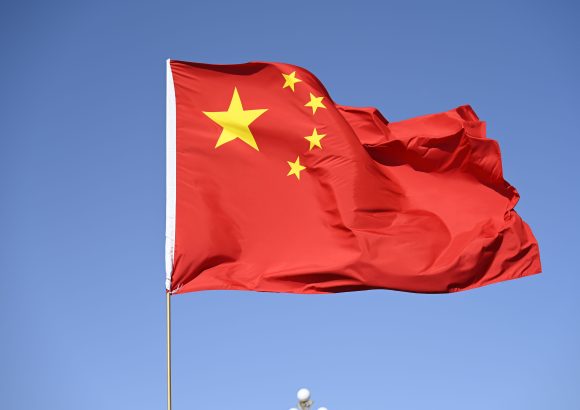
A fresh geopolitical flashpoint has emerged between the United States and China in the Latin American and Caribbean region, centered on competing narratives around Chinese technology firms and their regional operations. The confrontation erupted after U.S. officials publicly warned governments across Latin America and the Caribbean that Chinese technology companies carry unaddressed national security threats, prompting a sharp pushback from China’s diplomatic mission in the Dominican Republic.
Washington’s core claims center on unproven risks of espionage, coordinated cyberattacks, and systemic disruptions to critical national telecommunications networks that could stem from reliance on Chinese technology suppliers. Beijing has flatly rejected these accusations, dismissing them as baseless, harmful smears that expose an outdated Cold War-era zero-sum mindset.
In an official statement released from its Santo Domingo office, the Chinese Embassy laid out Beijing’s position clearly: it called on the United States to abandon its coercive approach and uphold the fundamental right of every sovereign nation to independently select its technology pathways and international cooperation partners. The statement further urged Washington to pivot toward more constructive action that supports, rather than undermines, regional stability and inclusive economic development.
Beyond addressing U.S. allegations, the embassy also defended the track record of Chinese technology enterprises operating across the region, including in the Dominican Republic. It emphasized that all Chinese firms operating locally strictly adhere to host country laws and established industry regulatory standards. Beyond compliance, these companies deliver cutting-edge technological solutions at price points that are accessible to regional markets, while consistently maintaining secure, high-quality services for end users.
According to the Chinese mission, Chinese technology firms have earned widespread trust and positive recognition from both local business partners and consumers across Latin America and the Caribbean. Their presence, the embassy noted, has delivered tangible economic benefits, driving infrastructure development, creating thousands of local jobs, and closing digital gaps in underserved communities across the region.
This latest public exchange underscores the intensifying great power competition between Washington and Beijing over control of critical technology and telecommunications infrastructure across the Western Hemisphere. As the rivalry deepens, regional governments find themselves increasingly squeezed between competing pressures: navigating U.S. security demands while evaluating the economic and infrastructure benefits that Chinese investment and technology can bring to their growing economies.